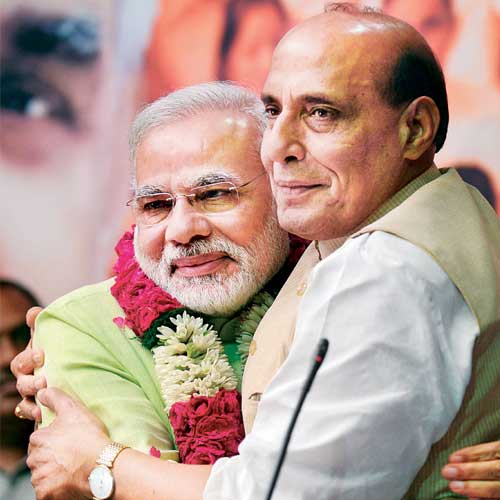
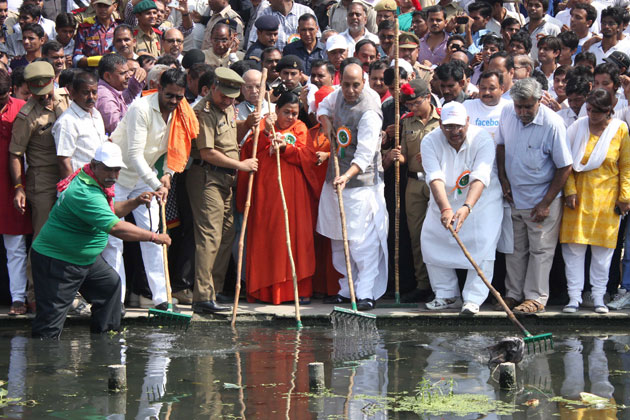
কলকাতায় ঐতিহাসিক রোড-শো!
— Narendra Modi (@narendramodi) April 27, 2026
শহরের মেজাজ একটি বিষয় স্পষ্ট করে দিচ্ছে... যে পশ্চিমবঙ্গ পরিবর্তন চায়। পশ্চিমবঙ্গ বিজেপি-কেই চায়।
এখানে গতকালের কিছু বিশেষ মুহূর্ত তুলে ধরা হলো... pic.twitter.com/9lMN6NHsbn
বাংলাকে অবশ্যই পুনরায় কলকারখানা ও শিল্পের কেন্দ্র হয়ে উঠতেই হবে। সেই জন্যে, টিএমসিকে পরাস্ত করতে হবে। pic.twitter.com/7Yu0Klj3cm
— Narendra Modi (@narendramodi) April 26, 2026

In South Asian politics, crowd energy during election campaigns has often foreshadowed seismic shifts. Just weeks ago, Nepal witnessed one such wave. Now, observers say West Bengal is showing the exact same signs.
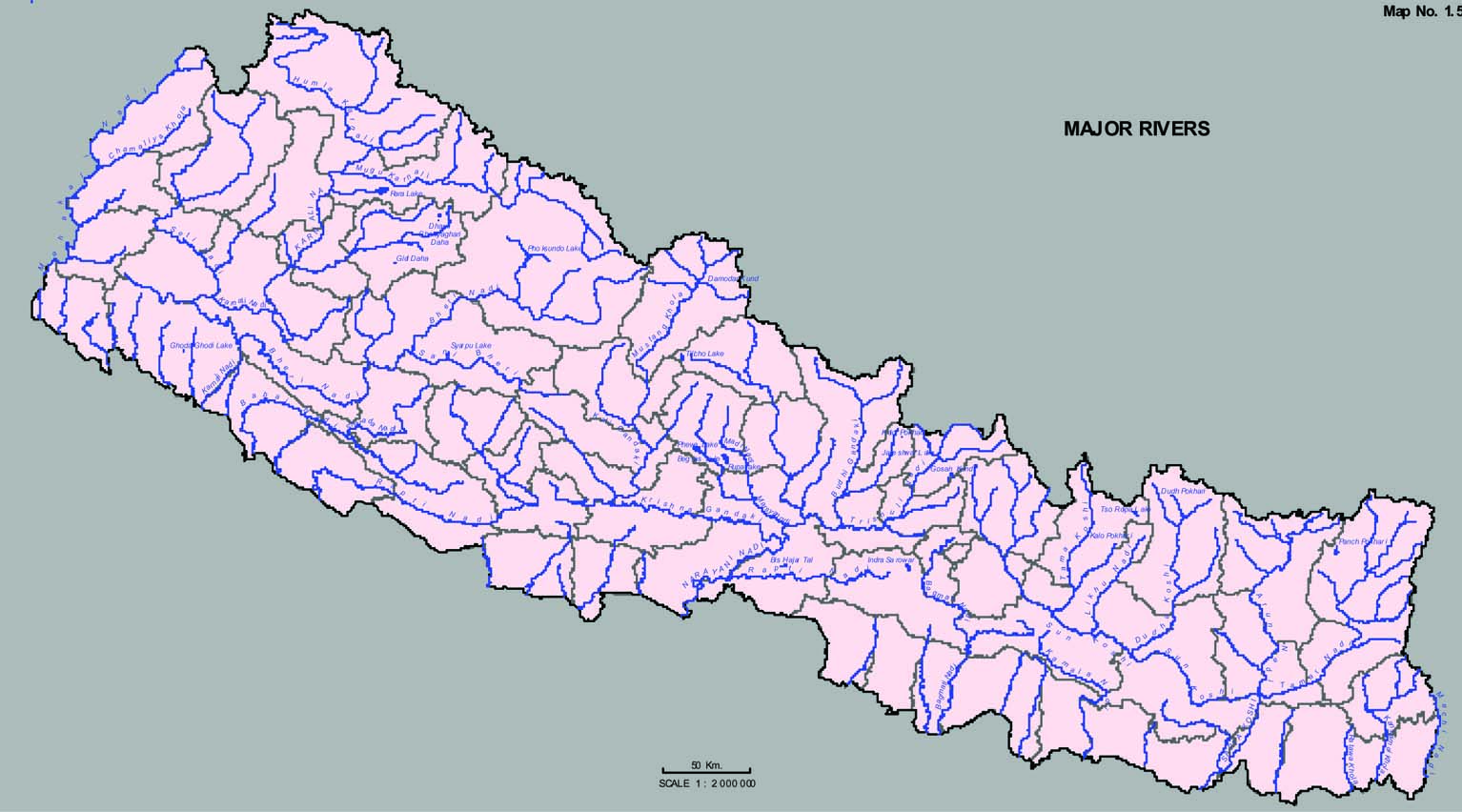
When Balendra Shah—better known as Balen, the former rapper, civil engineer, and ex-mayor of Kathmandu—campaigned ahead of Nepal’s March 2026 parliamentary elections, the response was unmistakable. Crowds swelled across the country, drawn by his outsider appeal, anti-corruption message, and fresh Gen Z energy. The Rastriya Swatantra Party (RSP), which he helped lead as its prime ministerial face, turned that frenzy into a historic landslide. Balen’s party swept 182 of 275 seats in the lower house, delivering Nepal its first single-party majority in decades and shattering the grip of traditional parties. Weeks before polling day, I went on record predicting Balen would sweep. The results proved it right.
Today, that same unmistakable vibe is rippling through West Bengal.
As Prime Minister Narendra Modi campaigns across the state ahead of the ongoing Assembly elections (with Phase 1 voting on April 23 and Phase 2 scheduled for April 29), the crowds turning out for his rallies and roadshows mirror the Balen phenomenon. From high-energy roadshows in Howrah on April 23 to massive gatherings in Mathurapur, Krishnanagar, and recent stops in North 24 Parganas, Hooghly, and Kolkata, the scale, enthusiasm, and raw energy are hard to miss.
Supporters line streets for kilometres, chanting for change and creating an atmosphere that feels less like routine electioneering and more like a popular wave building momentum.
The parallels are striking. In Nepal, Balen’s campaign tapped into deep frustration with entrenched politics, corruption, and instability—fuelled by youth-led protests that had rocked the country just months earlier. Voters across districts backed the RSP even in places where local candidates were virtual unknowns, simply riding the “Balen wave.” In Bengal, Modi’s message of development, accountability, and “Paltano Dorkar” (change is necessary) appears to be striking a similar chord against 15 years of Trinamool Congress rule. The massive turnouts and visible excitement suggest the ground is shifting in ways that go beyond traditional party arithmetic.
Of course, elections are decided by votes, not just rallies. Nepal’s result was historic precisely because it translated street-level frenzy into a parliamentary sweep. Whether Bengal delivers a comparable verdict remains to be seen on May 4, when results are declared. But the optics are impossible to ignore: the crowds that propelled an ex-rapper to prime minister in Nepal are now showing up in force for India’s prime minister in a state long considered a tough turf.
Bengal is looking like Nepal. The response Balen received was something to watch. The response Modi is getting right now is exactly the same. And as someone who correctly called Nepal’s outcome weeks in advance, I’m watching Bengal very closely. The crowds rarely lie.
পশ্চিমবঙ্গে টিএমসি সরকারের বাস্তব অবস্থা... pic.twitter.com/e3IPU4JxS6
— Narendra Modi (@narendramodi) April 26, 2026
১৫ বছর ধরে টিএমসি পশ্চিমবঙ্গকে ভয় দেখিয়ে শাসন করতে চেয়েছে । কিন্তু, তারা একটা কথা ভুলে গেছে... যখন অত্যাচার মাত্রাছাড়া হয়ে ওঠে, মানুষ তা প্রতিহত করে এবং অত্যাচারীরা পর্যুদস্ত হয়। pic.twitter.com/lzAkxdXNRe
— Narendra Modi (@narendramodi) April 26, 2026
কলকাতা বারবার আমাকে জয় করে নেয়!
— Narendra Modi (@narendramodi) April 26, 2026
শহরের নারীশক্তি এবং যুবশক্তির জোরদার অংশগ্রহণে সমৃদ্ধ আজকের রোড-শো ছিল ব্যতিক্রমী।
এটা অত্যন্ত স্পষ্ট যে এই মহান শহর বিজেপি এবং আমাদের উন্নয়নমূলক কর্মকাণ্ডকেই চাইছে। pic.twitter.com/syWcHIs0RT
পশ্চিমবঙ্গে বিজেপি সরকার স্বাস্থ্য ও শিক্ষার মতো ক্ষেত্রগুলোকে সর্বোচ্চ অগ্রাধিকার দেবে। যোগাযোগ ব্যবস্থার উন্নতি এবং পরিষেবার আধুনিকায়নও আমরা নিশ্চিত করব । একই সঙ্গে, আগামী দিনে বাংলা সংস্কৃতি ও সাহিত্যকে আরও জনপ্রিয় করে তোলার লক্ষ্যে আমরা কাজ করব। pic.twitter.com/C3xsIYHlDT
— Narendra Modi (@narendramodi) April 26, 2026
For 15 years, TMC tried to rule West Bengal through fear. But they forgot one thing…when oppression crosses all limits, the people resist it and such elements are defeated. pic.twitter.com/LXkuc1m12k
— Narendra Modi (@narendramodi) April 26, 2026
বনগাঁর বার্তা… পশ্চিমবঙ্গ তৃণমূলকে সম্পূর্ণরূপে প্রত্যাখ্যান করেছে। pic.twitter.com/roEkNL05iB
— Narendra Modi (@narendramodi) April 26, 2026
Bengal Is Looking Like Nepal: Modi's Campaign Draws the Same Electric Crowd Response That Propelled Balen Shah to Power https://t.co/J0bjjvuucJ
— Paramendra Kumar Bhagat (@paramendra) April 27, 2026




.jpg)