मोदीले फोन गर्न भ्याए त बालेन लाई। घटना घटेकै दिन। किन होला? किनभने दुनिया भरिकै चलन हो। एउटा PMO ले अर्को PMO लाई सीधा संपर्क गर्न सक्छ। डिप्लोमैटिक भाषामा प्रोटोकॉल भनिन्छ। राष्ट्रपति डोनाल्ड ट्रम्प को व्हाइट हाउस ले चाहेको खण्डमा नेपालको PMO सँग सीधा संवाद गर्न सक्छ।
त्यसरी नै अमेरिका को विदेश मंत्रालय को नेपालको विदेश मन्त्रालयसँग सीधा संवाद चलिरहन्छ। त्यो संवैधानिक व्यवस्था हो। विदेश नीति विदेश मंत्रालय मार्फ़त नै चल्ने हो।
तर अमेरिकी विदेश मन्त्रीले नेपालको सत्ताधारी पार्टी को सभापति लाई फोन गर्नु कुनै अनौठो कुरा होइन। सकारात्मक कुरा हो। राष्ट्रपतिले प्रधान मन्त्रीलाई फोन गर्न समय पाएनन। विदेश मंत्री ले पार्टी सभापतिलाई फोन गरे। यस्तो कुरा बारे गन्थनमन्थन हुने भनेको नेपाल जस्तो देशमा मात्र हो।
नेपालको प्रधान मंत्री ले सत्ता सम्हाले लगत्तै अमेरिकी राजदुत लाई भेटेकै हो।
जनता को मैंडेट ले बनाएको प्रधान मंत्री ले पहिला आफ्नो घरायसी मामलामा फोकस गर्नु अनौठो होइन। मैंडेट को सम्मान हो। विदेश नीति ठप्प भएको अवस्था होइन। त्यसैकालागि त विदेश मंत्री छ। त्यत्रो परराष्ट्र मंत्रालय छ।
पार्टी सभापतिले तर पदमा रहेका विदेशी अधिकारी हरुसँग को अन्तरक्रिया बारे परराष्ट्र मंत्रालय सँग समन्वय भने गर्नुपर्ने हुन्छ। होइन भने त्यो अनौपचारिक गफगाफ भयो।
I return from Nepal so moved and overwhelmed by the fortitude, compassion and courage of a country that has refused to give up, a country where civil society has been exemplary- clearing debris, feeding each other, standing in solidarity- a country where the Nepal Army have been… pic.twitter.com/El6hw0gAOz
नेपाल भारत सम्बन्ध भविष्यमुखी हुनुपर्छ, साझा समृद्धि को नारा दिनुपर्छ।
मुख्य कुरा साझा समृद्धि हो।
मैलेआजीवन देखेको नेपालको नक्शामा चुच्चे नक्शा छैन। केही वर्ष अगाडि एक्कासी आइपुग्यो। लदाख मा चीन र भारतको लफड़ा भएको बेला त्यो कुरा एक्कासी झिक्नु मुनासिब थिएन। पाँच वर्ष पहिला झिक्न सकिन्थ्यो। पाँच वर्ष पछि झिक्न सकिन्थ्यो।
नेपाल पनि भारत पनि भारतवर्ष हो। महाभारत को युद्धमा नेपालका राजाहरु पनि सहभागी भएका। रामायण त छँदै छ प्रत्येक वर्ष विवाह पंचमी जो हुन्छ।
नेपाल भारत बीच जस्तो सम्बन्ध दुनियाँमा अरु कुनै देश बीच छैन। त्यसलाई साझा समृद्धि मा रूपान्तरित गर्न सक्नुपर्छ।
चुच्चे नक्शा को कुरा गरौं। मैले अध्ययन नगरेको विषय पर्यो। तर केही कुरा स्पष्ट छ। भारत स्वतंत्र हुँदा सीमाना जहाँ थियो त्यो नै सीमाना हो। सुगौली को सन्धिको दुहाइ दिन मिल्दैन। यो भारत र नेपाल को कुरा हो। बेलायतलाई यसमा मिसाउन मिल्दैन। चीनलाई पनि मिसाउन मिल्दैन। यस बारे बेलायत सँग कुरा गर्ने भनेको, चीनसँग कुरा गर्ने भनेको नेपाल ले आफुलाई हल्का बनाउने कुरा हो।
१९५० को संधिले पुराना सम्पुर्ण संधि खारेज भनेको छ।
संविधान संसोधन गरेर एकतरफा किसिमले चुच्चे नक्शा नेपालको आधिकारिक भनेर घोषणा गर्नु गलती थियो। त्यसले वार्ता को ढोका बंद गर्यो। तरिका त्यो होइन। आखिर युद्ध गर्ने भनेको त होइन केपी ओली ले। हो भने पहिला उसैको हातमा एउटा बन्दुक थमाई दिउँ।
वार्ता एक मात्र तरिका हो। त्यो ढोका ओली ले बंद गरेको हो।
भने पछि साझा समृद्धि टाटा बाई बाई?
मुख्य कुरा साझा समृद्धि हो। मुख्य कुरा भविष्य हो। विश्व शक्ति भारत। तेस्रो ठुलो अर्थतंत्र। दोस्रो ठुलो बन्छ कुन दिन। भारतका केही राज्य त जर्मनी, फ्रांस ब्रिटेन बनिसकेको अवस्था छ। नेपाली लाई विसा नचाहिने। बिना विसा जर्मनी, फ्रांस ब्रिटेन काम गर्न जान पाइने अवस्था बारे सोंचौं।
भारतले भन्न सक्छ पहिला संविधान संसोधन फिर्ता गर। अनि हुन्छ वार्ता। वार्ता भनेकै निष्कर्षमा सँगै पुग्ने, मिलेर पुग्ने भनेको। एक्लै ओली ले निष्कर्ष निकाल्दा वार्ता को ढोका ढयाप्प।
दुबै पक्षसँग कागजपत्र होला। भारतले नेपालको नेपालले भारतको। अझ चीनले नेपालको। जग्गा मिचेको अवस्था। चिनिया सेनाको आदत हो। यसो अलिकति गोलपोस्ट सारिदियो। सॅटॅलाइट मैपिंग गर्नुपर्छ उत्तर तिर।
चुच्चे नक्शाको मुख्य उद्देश्य सिंडिकेट चलाएर बसेका तीन गुंडा हरु को भ्रष्टाचार र डेलीवरी नदिने बानी बाट जनताको ध्यान अर्कै तिर तान्नु हो। त्यो बुझौं।
सीमाना विवाद पनि एउटा विषय हो। तर प्रमुख विषय होइन। प्रमुख विषय भविष्य हो। प्रमुख विषय साझा समृद्धि हो। एउटा सानो विषय सीमाना विवाद पनि हो। प्रमुख विषय होइन।
प्रत्येक विषय को निराकरण गर्ने तरिका वार्ता नै हो।
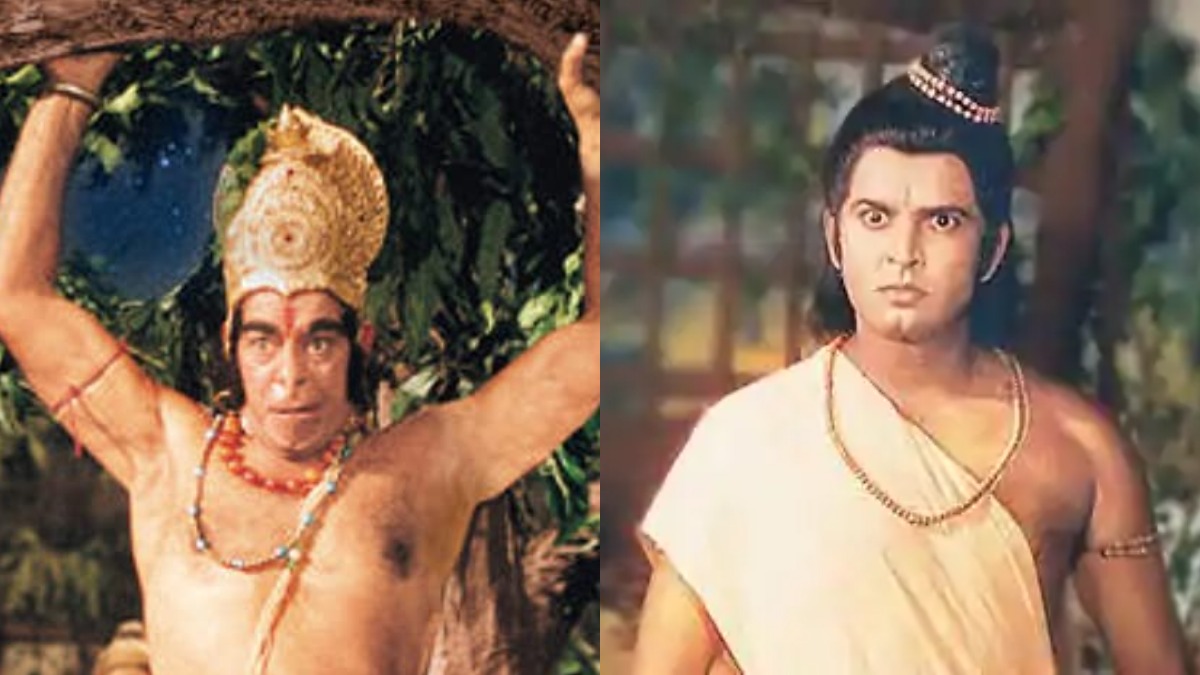
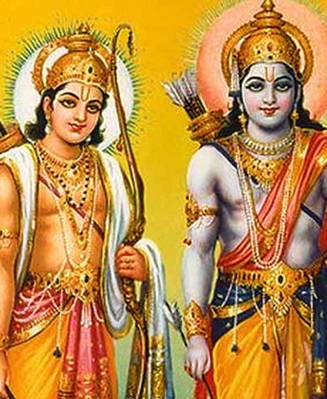
एउटा विशेष कुरा छ। बालेन लक्ष्मण। मोदी हनुमान। जब नेपालका प्रधान मंत्री भारतको प्रधान मंत्री सँग भेटछन त्यो लक्ष्मणजी र हनुमानजी को भेट हुनेछ।
रामायण र महाभारत आज जीवन्त भएको छ।
Nepal's New Regime and India Should Not Ignore the Core Bilateral Issues that Need Resolution Through Dialogue A stark reality of the India-Nepal relationship has been the incessant meddling of the former in politics and governance of the latter. .................... New Delhi’s foreign policy community of diplomats, scholars and think-tankers would be perplexed by the attitude of the newly-formed Kathmandu government of prime minister Balendra Shah. Given the longtime propensity of New Delhi to be overbearing and didactic towards Kathmandu, Shah’s cold shoulder, including the unwillingness to travel to New Delhi on an official visit, would have left heads spinning. ........... The RSP is the largest force in Parliament by far following the elections of March 5, and New Delhi seems to have decided to lay out the red carpet for its chairman, simply to have someone to talk to. ............... Lamichhane’s article in an Indian newspaper the day after he arrived from Kathmandu, which does not at all delve into core bilateral issues that need resolution through respectful dialogue. ........... the journey back from the blockade of 2015 is yet to begin. ........... There has been a steady erosion in the Nepal-India diplomatic ties over the decades, a contrast from the 1950s, when the prime ministers of the two countries were in a trusting relationship. Time has taken its toll, with Kathmandu greatly weakened vis-à-vis New Delhi,
overwhelmed by heavyweight Indian diplomacy, intelligence-wallahs running amok
, and the latest intrusion in the form of Hindutva propelled by the Rastriya Swayamsevak Sangh (RSS). ..................... Due to urbanisation and irrigation demands of the Ganga plain, there is a need to pond monsoonal water, hence the eye on Nepal’s deep valleys. Building high dams on the Kosi, Gandaki, Karnali and other rivers is New Delhi’s undisclosed top priority when it comes to Nepal. .......... Limpiyadhura: The face-off over the Limpiyadhura Triangle has taken bilateral relations to a never-before low. New Delhi refuses to talk on Kathmandu’s territorial claims on the Lipulek-Kalapani-Limpiyadhura region based on the Sugauli Treaty of 1816 defining the Mahakali as a border river. ................. As for how to overcome this bilateral chasm, the way forward is suggested by New Delhi’s own claims on territories not in possession – the Aksai Chin and Azad Kashmir regions have remained on the official map of India for seven decades without New Delhi exercising control. Likewise, there is nothing to stop Kathmandu from maintaining its claim over the Limpiyadhura Triangle, remaining open to dialogue on the matter, while otherwise working to normalise ties. .............. EPG: In February 2016, the governments of Nepal and India together constituted the Eminent Persons Group (EPG) to update and strengthen bilateral ties by forging common understandings. Although the report was completed unanimously in July 2018 by respected intellectuals selected by the two governments, prime minister Narendra Modi was apparently persuaded that the whole exercise should be abandoned. ................ Agnipath Scheme: Although Nepalis have served in the British Army since 1818, the former Gurkha Brigade was split up by a tripartite agreement following Indian independence in 1947. The system of officially sanctioned foreign military recruitment persisted even as Nepal developed as a modern nation-state. Nepali citizens have fought under the Indian flag in conflicts involving China and Pakistan, as well as in counter-insurgency operations in Sri Lanka under the Indian Peace Keeping Force (IPKF). ............. The question arises: How can a member country of SAARC allow its citizens to raise arms on behalf of one neighbour against another? ............
Nepal’s attempts to develop independent links to China as the great neighbour to the north is invariably questioned by New Delhi’s Raisina Hill officialdom and allied think tanks. Historically, Nepal’s links to the Tibetan plateau are just as ‘special’ as it is to Ganga plain. Nepal’s economy was compelled to pivot southward due to colonial mercantilism in the early 1900s, but in these days of evolved transport and infrastructure, Kathmandu need no longer perceive itself as ‘India-locked’.
........................
Eyeing Beijing: New Delhi restricts the import of hydropower imports from Nepal if there is any ‘whiff’ of Chinese involvement in construction or financing. A Nepali airline with Chinese investment is denied access to airports in India, while two new international airports (Pokhara and Bhairahawa) are prevented from being connected to Indian cities because of Chinese involvement in their construction.
.................. What would Beijing be making of all this, also that New Delhi does not want Nepal to have anything to do with the Belt and Road Initiative? Kathmandu’s engagement with Beijing on commerce, tourism, infrastructure and development finance cannot be regarded as any kind of geopolitical ‘tilt’. Such an attitude only signals degraded geopolitical self-confidence in New Delhi. Given how closely India’s own economy is intermeshed with China’s, New Delhi interlocutors who insist on Nepal maintaining economic distance from China must reflect. .................. Migrant Labour: As far as Nepal’s economy is concerned, the New Delhi discourse tends to present Nepal as a weak neighbour, and the internalisation of this stereotype by Kathmandu polity has promoted a sense of inferiority. However, a study of commerce and remittances demonstrates that Nepal’s economy is an unrecognised boon for India. ...................
While Nepali citizens working as migrant labour in India is frequently cited as evidence of Nepal’s poor economic standing, in fact Nepal is the seventh-largest economy receiving migrant labourers from India. The rural economies of India’s poorest regions, from Jharkhand to Bihar and Odisha, are supported by the money that Indian workers in Nepal send home.
.................... Money repatriated by Indian migrants working in Nepal is said to hover at around USD 3 billion per annum, while according to one estimate Nepali migrants in India send back no more than a third of that amount. Given that Nepal is the eleventh-largest export destination for Indian goods and services, second only to Bangladesh in South Asia, New Delhi’s commentators and geo-strategists must learn to regard Nepal’s economic significance for India. ............... A stark reality of the India-Nepal relationship has been the incessant meddling of the former in politics and governance of the latter. While pressures are applied economically, diplomatically as well as through the aegis of intelligence agencies, the export of political ‘Hindutva’ over the last ten years has posed an even greater threat because the aim is to infiltrate Nepali society’s cultural fabric and poison inter-community relations. ...................... Sanatan Tradition: Social divisions based on an exclusivist reading of the sanatan tradition, centred on a particular interpretation of the worship of Shri Ram, have promoted social rigidities in India’s north and centre. Nepal’s faith-based traditions have not yet been overtaken by the RSS ideology, but it would be correct to say that the organisation is currently in overdrive in the country. ................ Not satisfied with working through Nepali organisations with Hindutva leanings, the RSS has moved to establish its own base in Kathmandu. The office of the Hindu Swayamsevak Sangh (HSS) has been operating from a building named ‘Keshav Dham’ in Kathmandu’s Gujeswari locality, with Indian citizens serving as organisers and propagators.
केही बर्ष अगाडि चुच्चे नक्शा को कुरा उठ्नु अगाडि मैले आजीवन देखेको नक्शा चुच्चो छैन। मेरो रेफरेन्स पोइंट त्यो। टाइमिंग चाहिं गलत हो। चीन र भारत बीच लदाख मा घमासान भएको बेला समय गलत भयो।
उत्तरी सीमाना मा चीन ले जग्गा मिचेको मिचै छ। त्यसको हिसाबकिताब हुनुपर्यो। गोलपोस्ट सारदिने। जग्गा हड़पने। पटक पटक भएको छ।
ओली ले नक्शा कोर्दा मलाई लाग्यो नक्शा कोरेको भरमा जग्गा पाइन्छ भने त्यस्तो सानो चित्त किन? मलाई पुर्वमा टिष्टा नदी चाहियो। उता कुमाओ गढ़वाल सबै चाहियो।
मैले गहिरो अध्ययन नगरेको विषय।
सुगौली सन्धिको तर्क काम लाग्दैन। सुगौली संधिले मधेस अलग देश बन्न पाउने भनेको छ। मधेस अलग देश बन्न दिएको हो त? सीके राउतलाई सोध।
भारत स्वतंत्र हुँदा उसको जुन सीमाना थियो त्यो सीमाना बाट कुरा शुरू हुन्छ। जायज कुरा त्यही हो।
भारत स्वतंत्र हुँदा चुच्चे नक्शा थियो। त्यसको प्रमाण पनि छ भन्ने गरिन्छ। ठीक छ प्रमाण देखाउ। कुरा अगाडि बढोस।
रचनात्मक समाधान निकाल्न सकिन्छ। भारतको सुरक्षा का लागि नभइनहुने हो भने लीज मा दिन सकिन्छ।
होइन भने पुरानो कुरा खोतल्ने हो भने मलाई मिथिला चाहियो। उत्तरमा हिमाल। दक्षिणमा गंगा। पुर्वमा कोशी। पश्चिममा गण्डकी। त्यो व्यवहारिक छ?
आदरपुर्वक वार्ता हुनुपर्छ। नेपालमा आर्थिक क्रांति गर्न भारत सँग उच्चतम सुमधुर सम्बन्ध नभइनहुने कुरा। फ्रेमवर्क त्यो हुनुपर्छ।
बालेन लक्ष्मण। मोदी हनुमान। नेपालले र भारतले मिलेर क्लेम गर्ने त मानसरोवर हो।
India 🇮🇳 Prime Minister Narendra Modi is visiting Norway 18-19 May. While European leaders struggle to achieve 30% popularity in their own countries, Modi has an approval rating in India around 70. He is loved by most Indians.
Published in Norwegian newspaper, Dagens Næringsliv
on May 13th 2026
Western leaders have much to learn from Narendra
Modi’s consistent focus on the environment.
On Monday 18 May, the world’s most popular politician
will visit Norway. India’s Prime Minister Narendra Modi
will be received by King Harald, promote Indian
business, meet with the Indian diaspora and attend an
India-Nordic prime ministers’ meeting.
The Nordic prime ministers should listen carefully.
They have a lot to learn from their Indian counterpart.
Whilst Nordic prime ministers barely enjoy a domestic approval rating of 30 per cent,
Modi stands at around 70 per cent in the polls. No leader in any major country is nearly
as popular at home as Modi.
Modi has been in power in India for more than twelve years. Should he choose to stand
again, all the signs suggest he will be re-elected. A distant dream for European leaders.
His success can be attributed to rapid economic development, a winning ideology, the
world’s strongest political party and his own life story.
Modi’s background is almost unique in a world where almost all heads of state come
from the upper middle class. Modi’s parents owned three stalls where they sold tea at
the railway station in Vadnagar, a tiny provincial town that hardly any Indians have heard
of.
He has no one to thank for his career but himself – and the Hindu nationalist movement.
He is an Indian Einar Gerhardsen – self-taught, an organiser as the most famous
Norwegian prime minister in history.
He is fortunate to be leading a rapidly developing India, and he himself is a strong driving
force behind that growth. The Indian economy is currently growing at seven per cent,
faster than China’s and far outpacing any other major economy.
Growth is uneven, and there is a wide gap between the richest and poorest states in
India. India lacks the highly educated workforce that China has. There is still too much
bureaucracy, and India has not managed to develop any major export industry for the
global market. But at current growth rates, India’s economy will quadruple by 2050. India
will then be the world’s second-largest economy, rivalling the US.
I have travelled to almost every state in India and see signs of development everywhere –
new, modern airports; better roads leading to the most remote corners of the country;
the world’s largest solar park under construction in Gujarat; and the world’s largest
solar-wind-hydro power plant in Andhra Pradesh.
Modi is the garantier of green growth. India is now the world’s third-largest producer of
solar and wind energy; no one should be surprised if they overtake the US and take
second place. Last year, coal emissions in India fell for the first time.
Western leaders can learn a great deal from Modi’s consistent green message. I attend
many conferences where Modi is the keynote speaker. Modi almost never talks about
global climate negotiations or emissions. He asks no one to make sacrifices for the
environment. The message is that India can lift 1.5 billion people out of poverty through
green growth. There is no longer a choice between the economy and the environment.
Even if secular parties were to win the next election, India’s ideology will remain Hindu
nationalism. Hindu nationalism is India’s answer to the question that all non-Western
countries have faced since the Industrial Revolution. How to modernise without
becoming like the West?
Japan was the first to untangle that knot – becoming ultra-modern, yet remaining deeply
Japanese. Korea is now richer than Japan and a major exporter of Korean culture and
music. China anchors its modernity in its own roots – in Confucianism, Taoism and
Buddhism.
The BJP is currently the world’s largest political party, with over 100 million members.
The party has dedicated activists in every single constituency across northern and
central India. The party has achieved something truly unique and unprecedented in
India: the BJP enjoys the same level of support amongst high-caste, low-caste and
untouchable communities. It has the support of both India’s billionaires and tribal
peoples in the country’s remotest corners.
Among Western analysts, it has become something of a pastime to find fault with the
BJP. The critics are right in saying that the BJP stands for the unification of Hindus. But
there is little evidence to suggest that there have been more conflicts between Muslims
and Hindus under the BJP. There was more violence and more pogroms when the
Congress Party was in power. Millions of Muslims are crossing into India from
neighbouring countries; hardly any Muslims are fleeing the other way.
But the BJP’s insistence that Islam and Christianity are foreign religions, and that Muslim
invasions in the Middle Ages and British colonialism can be equated, creates a sense of
insecurity among many Muslims. Many of the BJP’s proposals are common sense – such
as the idea that there should not be a separate marriage law under which Muslim men
can divorce more easily than other men. But in the emergence of a new, strong India
rooted in Hindu dharma, the real test will be whether the BJP can also find room to
include the world’s largest minority: the two hundred million Muslims in India.
India is the only large, poor former British colony to have chosen a democratic model.
This is not down to the British. If it were to their credit, as they often claim, surely
Pakistan, Myanmar and the Gulf monarchies would also be democracies? India is
democratic because democracy is deeply rooted in Indian culture and tradition.
In a world where Norway needs new allies for a rules-based international order and
Norwegian business needs new horizons, we have much to gain from closer ties with
India. But this requires us to be willing to listen, not just to lecture. Then countless win-
win opportunities could open up.
संसारको सबैभन्दा लोकप्रिय राजनीतिज्ञ
एरिक सोलहाइम (नर्वेको पत्रिका Dagens Næringsliv मा १३ मे २०२६ मा प्रकाशित)
पश्चिमी नेताहरूले नरेन्द्र मोदीको वातावरणप्रतिको निरन्तर ध्यानबाट धेरै कुरा सिक्न सक्छन्।
सोमबार १८ मेमा संसारको सबैभन्दा लोकप्रिय राजनीतिज्ञ नर्वे भ्रमणमा आउँदैछन्। भारतका प्रधानमन्त्री नरेन्द्र मोदीलाई राजा हाराल्डले स्वागत गर्नेछन्, भारतीय व्यापारको प्रवर्द्धन गर्नेछन्, भारतीय प्रवासी समुदायसँग भेट्नेछन्, र भारत–नर्डिक प्रधानमन्त्रीहरूको बैठकमा सहभागी हुनेछन्।
नर्डिक देशका प्रधानमन्त्रीहरूले ध्यानपूर्वक सुन्नुपर्छ। उनीहरूले आफ्नो भारतीय समकक्षबाट धेरै कुरा सिक्न सक्छन्।
जहाँ नर्डिक प्रधानमन्त्रीहरूको घरेलु लोकप्रियता दर मुश्किलले ३० प्रतिशतसम्म पुग्छ, मोदीको लोकप्रियता सर्वेक्षणमा करिब ७० प्रतिशत छ। कुनै पनि ठूलो देशमा मोदी जति आफ्नै देशभित्र लोकप्रिय अर्को नेता छैन।
मोदी भारतमा बाह्र वर्षभन्दा बढी समयदेखि सत्तामा छन्। यदि उनी फेरि उम्मेदवार बने भने, सबै संकेतले उनी पुनः निर्वाचित हुने सम्भावना देखाउँछन्। यो युरोपेली नेताहरूका लागि टाढाको सपना जस्तै हो।
उनको सफलताको कारण तीव्र आर्थिक विकास, जित्ने खालको विचारधारा, संसारकै सबैभन्दा शक्तिशाली राजनीतिक पार्टी, र उनको आफ्नै जीवनकथा हो।
मोदीको पृष्ठभूमि यस्तो संसारमा लगभग अद्वितीय छ जहाँ प्रायः सबै राष्ट्रप्रमुखहरू उच्च मध्यम वर्गबाट आएका हुन्छन्। मोदीका आमाबुबाका वडनगरको रेलवे स्टेशनमा चिया बेच्ने तीनवटा साना स्टल थिए। वडनगर एउटा सानो प्रान्तीय सहर हो जसको नाम धेरै भारतीयले पनि सुनेका छैनन्।
उनले आफ्नो करियरका लागि आफू बाहेक अरू कसैलाई धन्यवाद दिनु पर्दैन—र हिन्दू राष्ट्रवादी आन्दोलनलाई।
उनी भारतका “आइनार गेर्हार्डसेन” जस्तै हुन्—आफैंले सिकेका, संगठक, र नर्वेको इतिहासकै सबैभन्दा प्रसिद्ध प्रधानमन्त्रीजस्तै।
उनी छिटो विकास हुँदै गरेको भारतको नेतृत्व गरिरहेका छन्, र त्यो विकासको बलियो प्रेरक शक्ति पनि उनी स्वयं हुन्। अहिले भारतीय अर्थतन्त्र ७ प्रतिशत दरले बढिरहेको छ, जुन चीनभन्दा पनि छिटो हो र अन्य कुनै पनि ठूलो अर्थतन्त्रभन्दा धेरै अगाडि छ।
विकास असमान छ, र भारतका धनी तथा गरिब राज्यहरूबीच ठूलो अन्तर छ। भारतसँग चीनजस्तो उच्च शिक्षित जनशक्ति पर्याप्त छैन। अझै पनि अत्यधिक नौकरशाही छ, र भारतले विश्व बजारका लागि कुनै ठूलो निर्यात उद्योग विकास गर्न सकेको छैन। तर अहिलेको विकासदर कायम रह्यो भने २०५० सम्म भारतको अर्थतन्त्र चार गुणा हुनेछ। त्यसपछि भारत संसारको दोस्रो ठूलो अर्थतन्त्र हुनेछ र अमेरिकासँग प्रतिस्पर्धा गर्नेछ।
मैले भारतका प्रायः सबै राज्यहरू यात्रा गरेको छु र सबै ठाउँमा विकासका संकेत देख्छु—नयाँ, आधुनिक विमानस्थलहरू; देशका दुर्गम कुनासम्म पुग्ने राम्रो सडकहरू; गुजरातमा निर्माणाधीन संसारकै सबैभन्दा ठूलो सौर्य पार्क; र आन्ध्र प्रदेशमा संसारकै सबैभन्दा ठूलो सौर्य–हावा–जलविद्युत संयन्त्र।
मोदी हरित विकासका ग्यारेन्टर हुन्। भारत अहिले सौर्य र पवन ऊर्जाको उत्पादनमा संसारकै तेस्रो ठूलो देश हो; उनीहरूले अमेरिकालाई उछिनेर दोस्रो स्थान लिन सक्ने सम्भावना देखेर कसैले अचम्म मान्नु पर्दैन। गत वर्ष भारतमा कोइला उत्सर्जन पहिलो पटक घटेको थियो।
पश्चिमी नेताहरूले मोदीको निरन्तर हरित सन्देशबाट धेरै कुरा सिक्न सक्छन्। म धेरै सम्मेलनहरूमा सहभागी हुन्छु जहाँ मोदी प्रमुख वक्ता हुन्छन्। मोदीले प्रायः कहिल्यै विश्व जलवायु वार्ता वा उत्सर्जनका विषयमा बोल्दैनन्। उनी कसैलाई वातावरणका लागि त्याग गर्न आग्रह गर्दैनन्। उनको सन्देश यस्तो हुन्छ: हरित विकासमार्फत भारतले १.५ अर्ब मानिसलाई गरिबीबाट बाहिर निकाल्न सक्छ। अब अर्थतन्त्र र वातावरणबीच छनोट गर्ने बाध्यता छैन।
यदि धर्मनिरपेक्ष दलहरूले अर्को चुनाव जिते पनि, भारतको विचारधारा हिन्दू राष्ट्रवाद नै रहनेछ। हिन्दू राष्ट्रवाद भारतले औद्योगिक क्रान्तिपछि सबै गैर-पश्चिमी देशहरूले सामना गरेको प्रश्नको उत्तर हो: पश्चिमजस्तो नबनी कसरी आधुनिक बन्ने?
जापान पहिलो देश थियो जसले त्यो गाँठो फुकायो—अत्यन्त आधुनिक बन्यो तर गहिरो रूपमा जापानी नै रह्यो। कोरिया अहिले जापानभन्दा धनी छ र कोरियाली संस्कृति र संगीतको ठूलो निर्यातकर्ता बनिसकेको छ। चीनले आफ्नो आधुनिकतालाई आफ्नै जरा—कन्फ्युसियनवाद, ताओवाद र बौद्ध धर्म—मा आधारित बनाएको छ।
बीजेपी अहिले संसारकै सबैभन्दा ठूलो राजनीतिक पार्टी हो, जसका १० करोडभन्दा बढी सदस्य छन्। पार्टीसँग उत्तर र मध्य भारतका हरेक निर्वाचन क्षेत्रमा समर्पित कार्यकर्ता छन्। पार्टीले भारतमा साँच्चिकै अनौठो र अभूतपूर्व कुरा हासिल गरेको छ: बीजेपीलाई उच्च जाति, निम्न जाति र दलित समुदायमा लगभग समान समर्थन प्राप्त छ। यसलाई भारतका अर्बपतिहरू र देशका दुर्गम कुनाका आदिवासी समुदायहरूले पनि समर्थन गर्छन्।
पश्चिमी विश्लेषकहरूमा बीजेपीको आलोचना गर्नु एक प्रकारको मनोरञ्जन जस्तै बनिसकेको छ। आलोचकहरू सही छन् कि बीजेपी हिन्दू एकताको पक्षमा उभिन्छ। तर बीजेपी शासनमा आएपछि मुस्लिम र हिन्दूबीच द्वन्द्व बढेको स्पष्ट प्रमाण कम छ। कांग्रेस पार्टी सत्तामा हुँदा अझ बढी हिंसा र दंगा (पोग्रोम) भएका थिए। लाखौँ मुस्लिमहरू छिमेकी देशबाट भारतमा प्रवेश गरिरहेका छन्; लगभग कुनै मुस्लिम भारतबाट बाहिर भागिरहेका छैनन्।
तर बीजेपीले इस्लाम र ख्रीष्टियन धर्मलाई “विदेशी धर्म” भनेर जोड दिनु, र मध्ययुगीन मुस्लिम आक्रमण र ब्रिटिश उपनिवेशवादलाई एउटै रूपमा तुलना गर्नु, धेरै मुस्लिमहरूमा असुरक्षाको भावना पैदा गर्छ।
बीजेपीका धेरै प्रस्तावहरू सामान्य बुद्धिको कुरा हुन्—जस्तै मुस्लिम पुरुषहरूले अरू पुरुषभन्दा सजिलै सम्बन्ध विच्छेद गर्न पाउने छुट दिने छुट्टै विवाह कानून हुनु हुँदैन भन्ने विचार। तर हिन्दू धर्ममा आधारित नयाँ, शक्तिशाली भारत उदाउँदै गर्दा, वास्तविक परीक्षा यही हुनेछ: के बीजेपीले संसारकै सबैभन्दा ठूलो अल्पसंख्यक समुदाय—भारतका २० करोड मुस्लिमहरू—लाई पनि समेट्ने ठाउँ बनाउन सक्छ?
भारत एकमात्र ठूलो, गरिब, पूर्व ब्रिटिश उपनिवेश हो जसले लोकतान्त्रिक मोडेल रोजेको छ। यो ब्रिटिशहरूको देन होइन। यदि त्यो उनीहरूको श्रेय हुने हो भने, उनीहरूले जस्तै पाकिस्तान, म्यानमार र खाडीका राजतन्त्रहरू पनि लोकतन्त्र हुन्थे।
भारत लोकतान्त्रिक छ किनभने लोकतन्त्र भारतीय संस्कृति र परम्परामा गहिरो रूपमा जरा गाडेको छ।
आजको संसारमा नर्वेलाई नियममा आधारित अन्तर्राष्ट्रिय व्यवस्थाका लागि नयाँ मित्रहरू चाहिन्छ, र नर्वेजियन व्यवसायलाई नयाँ अवसरहरू। भारतसँग नजिक सम्बन्धबाट हामीले धेरै फाइदा लिन सक्छौँ। तर यसको लागि हामीले उपदेश मात्र दिने होइन, सुन्न पनि तयार हुनुपर्छ। त्यसो गरियो भने अनगिन्ती “win-win” अवसरहरू खुल्न सक्छन्।
प्रशान्त किशोरले मिस गरिरहेका मेगाट्रेन्डहरूप्रशान्त किशोरले मिस गरिरहेका सबैभन्दा ठूलो मेगाट्रेन्ड मोदी हो। तपाईं मुख्यमन्त्रीको निवासमा कसरी बस्न सक्नुहुन्छ, र २०१४ को विजयमा उनीसँग गएर पनि त्यो व्यक्तिलाई मिस गर्न सक्नुहुन्छ? मोदी महात्मा गान्धीभन्दा ठूला छन्। गान्धी भगवान रामका भक्त थिए। मोदी भगवान रामका भक्त छन्। तर फरक छ। महात्मा गान्धी हनुमान थिएनन् र कहिल्यै भएको दाबी गरेनन्। वास्तवमा, महात्मा गान्धीले पनि हनुमान चालीसा आफूसँग राख्थे। मैले बाल्यकालमा हनुमान चालीसा रटेर सिकेको थिएँ। मेरो पहिलो शिक्षकले मलाई त्यसो गर्न लगाए। र म खुसीसँग गरेँ। मोदी हनुमान हुन्। शास्त्रहरूले भन्छन् कि हनुमान भगवान कल्कीको काममा सहयोग गर्न आउनेछन् यो युग समाप्त गर्न, कलियुगलाई। त्यो हनुमान मोदी हुन्। त्यसैले मैले केही महिना अघि ट्रम्पलाई चेतावनी दिएको थिएँ। मोदीसँग पंगा नलेऊ, पछुताउनेछौ। पछुताइरहेको छ। केही हप्ता अघि अमेरिकामा ठूला चुनावी हारहरू। हनुमान। जब युद्धको समय आयो, उनी युद्धका लागि तयार थिए। जब रावणले तर्क सुन्दैन, तब युद्ध गर्नुपर्छ। त्यो न्यायपूर्ण तरिका हो। आजको रावण इस्लाम, पूँजीवाद र भ्रष्ट पुजारीहरू हुन्। आतंकवाद समाप्त गर्ने एकमात्र तरिका इस्लाम समाप्त गर्नु हो। मोदीले गर्नेछन्। हनुमानजीले गर्नेछन्। त्यसैले उनी यहाँ छन्। प्रशान्त किशोरले आरोप लगाउँछन् कि गडबडी भयो र गडबडी गर्ने खेलाडीहरू छन्। यदि गडबडी भएको थियो भने, तेजस्वी यादवले तपाईंभन्दा किन यति राम्रो गरे? के उनी गडबडीबाट बच्न सकेका थिए? बिहारमा महिलाहरूलाई सिधा नगद हस्तान्तरण मेरो आदर्श सरकारी योजना हुनेछ। उनीहरूले यसलाई बारम्बार गर्नुपर्छ। शून्य चुहावट। महिलाहरूको बैंक खातामा सिधा पैसा हस्तान्तरण। गडबडी गर्ने खेलाडीहरूको बारेमा, तपाईं जेडी(यू)मा नम्बर दुई हुनुहुन्थ्यो। यदि त्यो शक्तिको स्थितिबाट तपाईं आफूभन्दा जुनियर रैंकका गडबडी गर्नेहरूसँग लड्न सक्नुहुन्न भने, तपाईं उनीहरूसँग कहाँबाट लड्नुहुन्छ? तपाईं महात्मा गान्धीमा यति लट्ठ हुनुहुन्छ कि तपाईं मोदीलाई पूर्ण रूपमा मिस गरिरहनु भएको छ। मोदी महात्मा गान्धीभन्दा ठूला छन्। महात्मा गान्धीले नै आफ्ना कार्यहरूबाट यस्तो भनेका थिए। गान्धीले हनुमान चालीसा पढ्थे। मोदी हनुमान हुन् जो फर्केर आएका छन् भगवान कल्कीको सहयोग गर्न कलियुग समाप्त गर्न। भगवान कल्की पनि यहाँ छन्। उनीहरूले यो कलियुग समाप्त गर्ने रोडम्याप प्रस्तुत गरेका छन्। प्रशान्त किशोरले समकालीन भारतीय राजनीतिका बार्बरिक भएको ढोंग गरेका छन्। बिहारले प्रमाणित गरेको छ कि उनी कुनै बार्बरिक होइनन्। महाभारत युगका बार्बरिक पनि हनुमानको तुलनामा केही थिएनन्। प्रशान्त किशोर बार्बरिक होइनन् र मोदी हनुमान हुन्। कल्पना गर्नुहोस् यदि महात्मा गान्धीले स्वतन्त्रताका लागि आफ्नो समय समर्पित गर्नुको सट्टा भूमि सुधारमा समय समर्पित गर्ने निर्णय गरेका भए जसरी विनोबा भावेले पछि गरे। खैर, त्यो वास्तवमा खराब अनुक्रमण हुन्थ्यो, र पूर्ण रूपमा राजनीतिक अज्ञानता, र कतै पनि महात्मा गान्धीका मूर्तिहरू हुँदैनथे। अहिले हामी राजनीतिक विकासको त्यो चरणमा छौं जहाँ रावणसँग शान्तिका सबै सम्भावित प्रयासहरू गरिसकिएका छन्, र संसार एक निर्णायक युद्धको कगारमा छ, सायद केही वर्षमा। त्यो युद्धले इस्लाम समाप्त गर्नेछ, किनकि आतंकवादलाई सधैंका लागि समाप्त गर्ने एकमात्र साँचो तरिका यही हो। र यहाँ महात्मा गान्धी रावणलाई केही फूलहरू लिएर जान चाहन्छन्। हामी महात्मालाई भन्छौं, तपाईं महान व्यक्ति हुनुहुन्छ, युद्ध समाप्त भएपछि अयोध्यामा भेटौं, त्यहाँ तपाईंको धेरै आवश्यकता छ। तर अहिले लंका तपाईंको बसको कुरा होइन। भारतले आक्रामक हुनुपर्छ र सबै महादेशहरूमा निरन्तर साइबर युद्ध र ह्युमन इन्टेल र इन्फो इन्टेल युद्ध छेड्नुपर्छ जबसम्म जेईएम र एलईटी पूर्ण रूपमा विघटित हुँदैनन् र अलग-थलग पायोनियर आतंकवादीहरूसँग कतै पनि लजिस्टिक्स नेटवर्क हुँदैन। तपाईं वस्तुतः जेईएम र एलईटीलाई काटेर फाल्नुहुन्छ, र त्यसपछि पाकिस्तानी जनताले आईएसआई र मुल्ला मुनीरको ख्याल राख्नेछन्। पाकिस्तानी विद्रोहमा न्यूक्स प्रयोग गर्ने कुनै तरिका छैन। महात्मा गान्धीसँग यसको कुनै प्लेबुक छैन। तर उनी एक महान आत्मा हुन्, र उनी अर्को युगमा छन्, सत्य युग, जो केही दशक टाढा छ। र यो पूर्ण पृथ्वीका लागि हो। भगवान राम पूर्ण पृथ्वीका लागि हुन्। उनी यहूदीहरूका यहोवा हुन्। बिहारमा प्रशान्त किशोरको स्वीपले दिल्लीलाई हल्लाउँथ्यो किनकि जेडी(यू) दिल्लीमा बीजेपीको अंकगणितका लागि अपरिहार्य छ। र कुन उद्देश्यका लागि? आतंकवादको युद्धक्षेत्रमा महात्मा गान्धीलाई रथमा राख्नका लागि? प्रशान्त किशोर महात्मा गान्धी पनि होइनन्। तर उनी आफूलाई विनम्र बनाउन सक्छन् र जेडी(यू)सँग विलय इन्जिनियर गर्न सक्छन् र जेडी(यू)मा आफ्नो नम्बर दुई पद फिर्ता प्राप्त गर्न सक्छन् र बिहारको योगी बन्न प्रयास गर्न सक्छन्, बिहारको नायडू। जसका बारेमा उनी गुनासो गर्छन्, ती खराब व्यक्तिहरूलाई पार्टीमा आफ्नो नम्बर दुई पद फिर्ता पाएपछि हटाउनुपर्छ। तपाईं (१) आतंकवादविरुद्धको लडाइँलाई उखेल्ने प्रयास गरिरहनु भएको छ, र यो १४०० वर्षको उपद्रव पछि अन्तिम लडाइँ हो, यहूदीहरूले पनि आफ्नो बाबरी मस्जिद ढाल्नेछन्, जसरी उनीहरूले गर्नुपर्छ। (२) विकसित भारत २०४७ रोडम्यापलाई जसलाई नायडूले दृढतापूर्वक मान्छन्। (३) र बिहारलाई नै। यो भारतका सबैभन्दा छिटो बढ्दो राज्यहरू मध्ये एक हो। एक बिहारी दसमा भारी। यो अझै सत्य हो। बिहारीहरू सोचिरहेका छन्, यो व्यक्ति पहिले नै मुख्यमन्त्री बन्न प्रतीक्षामा थियो। उसले किन राजीनामा दियो? र यदि राजीनामा दियो भने, अब किन फिर्ता चाहन्छ? सबै मेगाट्रेन्डहरू मोदीसँग छन्। मोदी हनुमान हुन्। महात्मा गान्धीले हनुमान चालीसा पढ्थे। प्रशान्त किशोरले आफ्नो प्रतिभासँग न्याय गर्नुपर्छ, कोर्स सुधार गर्नुपर्छ, र मोदी विजनसँग दृढतापूर्वक जोडिनुपर्छ। वा राजनीतिक परामर्शमा फर्किनुपर्छ जहाँ जिते वा हारे पनि पैसा मिल्छ।
प्रशांत किशोर जे मेगाट्रेंड मिस क रहल छथिप्रशांत किशोर जे सबसे बड़ मेगाट्रेंड मिस क रहल छथि, ओ मोदी छथि। अहाँ मुख्यमंत्री आवास मे कओन तरह रहि सकैत छी, आ 2014 के जीत मे हुनका संग जाइ क ओकरा बादो ओ व्यक्ति के मिस क सकैत छी? मोदी महात्मा गांधी सँ बड़ा छथि। गांधी भगवान राम के भक्त छलाह। मोदी भगवान राम के भक्त छथि। मुदा अंतर अछि। महात्मा गांधी हनुमान नहि छलाह आ कखनो होयबाक दावा नहि केलाह। वास्तव मे, महात्मा गांधी सेहो हनुमान चालीसा अपन संग राखैत छलाह। हम बचपन मे हनुमान चालीसा रटि क सीखल छलहुँ। हमर पहिल शिक्षक हमरा के ओकरा करबाक कहलाह। आ हम खुशी सँ केलहुँ। मोदी हनुमान छथि। शास्त्र कहैत अछि जे हनुमान भगवान कल्कि के काम मे मदद करबाक लेल आएब, ई युग के समाप्त करबाक लेल, कलियुग के। ओ हनुमान मोदी छथि। ताहि लेल हम किछु महीना पहिने ट्रंप के चेतावनी देलहुँ। मोदी सँ पंगा मत लिऔ, पछताबै छी। पछता रहल अछि। किछु सप्ताह पहिने अमेरिका मे बड़ा चुनावी हार। हनुमान। जखन युद्ध के समय आएल, त ओ युद्ध लेल तैयार छलाह। जखन रावण तर्क नहि सुनैत अछि, त युद्ध करब पड़ैत अछि। ओ न्यायपूर्ण तरीका अछि। आज के रावण इस्लाम, पूंजीवाद आ भ्रष्ट पुजारी छथि। आतंकवाद के समाप्त करबाक एकमात्र तरीका इस्लाम के समाप्त करब अछि। मोदी करताह। हनुमानजी करताह। ताहि लेल ओ एतय छथि। प्रशांत किशोर आरोप लगबैत छथि जे गड़बड़ी भेल आ गड़बड़ी करय वाला खिलाड़ी छथि। जँ गड़बड़ी भेल छल, त तेजस्वी यादव अहाँ सँ इतना नीक कियै केलक? की ओ गड़बड़ी सँ बचि गेलाह? बिहार मे महिला सभ के सीधा नकद हस्तांतरण हमर आदर्श सरकारी योजना होयत। ओकरा सभ के एकरा बार-बार करबाक चाही। शून्य रिसाव। महिला सभ के बैंक खाता मे सीधा पैसा हस्तांतरण। गड़बड़ी करय वाला खिलाड़ी सभ के बारे मे, अहाँ जेडी(यू) मे नंबर दू छलहुँ। जँ ओ शक्ति के स्थिति सँ अहाँ अपन सँ जूनियर रैंक के गड़बड़ी करय वाला सभ सँ लड़ि नहि सकैत छी, त अहाँ ओकरा सभ सँ कहिया सँ लड़बै छी? अहाँ महात्मा गांधी पर इतना लट्टू छी जे अहाँ मोदी के पूरा तरह मिस क रहल छी। मोदी महात्मा गांधी सँ बड़ा छथि। महात्मा गांधी अपन कार्य सँ एहन कहलाह। गांधी हनुमान चालीसा पढ़ैत छलाह। मोदी हनुमान छथि जे वापस आएल छथि भगवान कल्कि के मदद करबाक लेल कलियुग के समाप्त करबाक लेल। भगवान कल्कि सेहो एतय छथि। ओ एहि कलियुग के समाप्त करबाक रोडमैप प्रस्तुत केने छथि। प्रशांत किशोर समकालीन भारतीय राजनीति के बार्बरिक होयबाक ढोंग केने छथि। बिहार प्रमाणित केने अछि जे ओ कोनो बार्बरिक नहि छथि। महाभारत युग के बार्बरिक सेहो हनुमान के तुलना मे किछु नहि छलाह। प्रशांत किशोर बार्बरिक नहि छथि आ मोदी हनुमान छथि। कल्पना करू जँ महात्मा गांधी स्वतंत्रता लेल अपन समय समर्पित करबाक बजाय भूमि सुधार पर समय समर्पित करबाक निर्णय लेलाह जेना विनोबा भावे बाद मे केलाह। खैर, ओ वास्तव मे खराब अनुक्रमण होयत, आ पूरा तरह राजनीतिक अज्ञानता, आ कहियो महात्मा गांधी के मूर्ति नहि होयत। एखन हम राजनीतिक विकास के ओ चरण मे छी जतय रावण संग शांति के सभ संभावित कोशिश केल गेल अछि, आ दुनिया एक निर्णायक युद्ध के कगार पर अछि, शायद किछु साल मे। ओ युद्ध इस्लाम के समाप्त करत, कियाकि आतंकवाद के हमेशा लेल समाप्त करबाक एकमात्र सच्चा तरीका ई अछि। आ एतय महात्मा गांधी रावण के किछु फूल ल जायब चाहैत छथि। हम महात्मा सँ कहैत छी, अहाँ महान व्यक्ति छी, युद्ध समाप्त भेलाक बाद अयोध्या मे मिली, ओतय अहाँक बहुत जरूरत अछि। मुदा एखन लंका अहाँक बस के नहि अछि। भारत के आक्रामक होयबाक चाही आ सभ महाद्वीप पर निरंतर साइबर युद्ध आ ह्यूमन इंटेल आ इंफो इंटेल युद्ध छेड़बाक चाही जखन तक जेईएम आ एलईटी पूरा तरह विघटित नहि भ जाय आ अलग-थलग पायनियर आतंकवादी सभ के कहियो कोनो लॉजिस्टिक्स नेटवर्क नहि रह जाय। अहाँ वस्तुतः जेईएम आ एलईटी के काटि फेंक दैत छी, आ तखन पाकिस्तानी लोक सभ आईएसआई आ मुल्ला मुनीर के ध्यान राखताह। पाकिस्तानी विद्रोह पर न्यूक्स के उपयोग करबाक कोनो तरीका नहि अछि। महात्मा गांधी के एकर कोनो प्लेबुक नहि अछि। मुदा ओ एक महान आत्मा छथि, आ ओ अगिला युग मे छथि, सत्य युग, जे किछु दशक दूर अछि। आ ओ पूरा पृथ्वी लेल अछि। भगवान राम पूरा पृथ्वी लेल छथि। ओ यहूदी सभ के यहोवा छथि। बिहार मे प्रशांत किशोर के स्वीप दिल्ली के हिला दैत कियाकि जेडी(यू) दिल्ली मे बीजेपी के अंकगणित लेल अपरिहार्य अछि। आ कीन उद्देश्य सँ? आतंकवाद के युद्धक्षेत्र मे महात्मा गांधी के रथ पर बिठायबाक लेल? प्रशांत किशोर महात्मा गांधी सेहो नहि छथि। मुदा ओ अपन के विनम्र बनाउ सकैत छथि आ जेडी(यू) संग विलय इंजीनियर करि सकैत छथि आ जेडी(यू) मे अपन नंबर दू पद वापस प्राप्त करि सकैत छथि आ बिहार के योगी बनबाक कोशिश करि सकैत छथि, बिहार के नायडू। जे खराब लोक सभ के ओ शिकायत करैत छथि, ओकरा सभ के पार्टी मे अपन नंबर दू पद वापस पाबाक बाद हटा देबाक चाही। अहाँ (1) आतंकवाद सँ लड़ाई के उखाड़बाक कोशिश क रहल छी, आ ई 1400 साल के उपद्रव बाद अंतिम लड़ाई अछि, यहूदी सभ सेहो अपन बाबरी मस्जिद गिरा दैताह, जेना ओकरा करबाक चाही। (2) विकसित भारत 2047 रोडमैप के जे नायडू मजबूती सँ मानैत छथि। (3) आ बिहार के। ई भारत के सबसे तेज बढ़ैत राज्य सभ मे सँ एक अछि। एक बिहारी दस पर भारी। ई अखनो सत्य अछि। बिहारी सभ सोचि रहल छथि, ई व्यक्ति पहिने सँ मुख्यमन्त्री बनबाक प्रतीक्षा मे छल। ओ कियै इस्तीफा देलक? आ जँ इस्तीफा देलक, त एखन कियै वापस चाहैत अछि? सभ मेगाट्रेंड मोदी संग छथि। मोदी हनुमान छथि। महात्मा गांधी हनुमान चालीसा पढ़ैत छलाह। प्रशांत किशोर के अपन प्रतिभा संग न्याय करबाक चाही, कोर्स सुधारबाक चाही, आ मोदी विजन संग मजबूती सँ जुड़बाक चाही। वा राजनीतिक परामर्श पर वापस जायब जतय जीत वा हार, पैसा मिलैत अछि।