
Living with the New Valley: After the Himalayan Superflood
It may feel insensitive to make this point so soon after the tragedy. The search for the right words continues, because what struck the high valleys near the Nepal-Tibet border on August 26, 2026, defied ordinary categories. This was not a flash flood. It was not merely an avalanche. It was not simply a glacial lake outburst. It was a rock-ice avalanche that became a torrent of liquid concrete—dense slurry of pulverized ice, rock, sediment, and water—moving at speeds comparable to a bullet train, traveling for tens to hundreds of kilometers at volumes that redefined the scale of Himalayan disasters.
A massive section of bedrock and glacier on the north face of Langtang Lirung, high above the Lhende Khola (a tributary feeding the Bhote Koshi and eventually the Trishuli), gave way. A chunk of ice roughly 2,000 feet wide sheared off at around 17,000 feet elevation and plunged nearly 4,000 feet (over a vertical kilometer). The impact registered as a magnitude 5.2 seismic event. The collapsing mass pulverized, mixed with river water and valley sediment, and transformed into a hyper-concentrated debris flow. Water levels downstream rose seven to nine meters within half an hour. Entire settlements were overwhelmed. Hundreds died; thousands remained missing in the immediate aftermath across Nepal’s Rasuwa district and adjacent areas of Tibet. The flow behaved less like water and more like concrete in motion—capable of sweeping away buildings, vehicles, bridges, and boulders rather than flowing around them.
In the days that followed, voices emerged calling for people to be barred from living in the affected valley. The impulse is understandable. The destruction was total in places. Yet we cannot simply decide such things by decree. We are talking about large numbers of people, longstanding communities, pilgrimage routes, trade corridors, and the basic human tendency to return to familiar ground and opportunity. History shows this pattern repeatedly: within a generation of the Holocaust, Jews from Israel returned to make lives in Germany. People do what people do. They rebuild, adapt, and claim space where geography and economics allow.
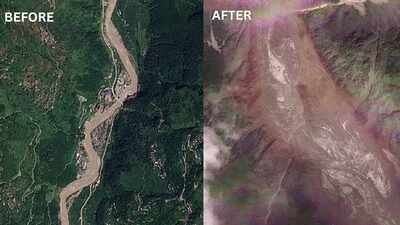
Look closely at what this rock-ice avalanche and its downstream superflood have done to the landscape. Where there were once narrower, more fragmented pockets of valley, the event has acted like a natural bulldozer on a scale no human machine could match. It has widened and lengthened the corridor, creating one extended valley stretching for hundreds of kilometers—far broader in places than before. Nature, indifferent to our timelines or policies, has reshaped the terrain. Pokhara itself was formed by similar catastrophic processes in a time before modern discussions of global warming. The same forces that destroy can also open new space.
Within three years, the population of this valley is likely to have tripled. That is not a prediction of recklessness; it is a recognition of human behavior in the face of newly available land, potential agricultural expansion, transport routes, and economic activity along a revitalized river corridor. Instead of fighting this reality, it may be wiser to work with it. The priority should be collaboration with Chinese authorities and scientific institutions to build the most robust warning system possible. Chinese satellites already capture detailed imagery of the Himalayas at high frequency. Adding advanced AI analysis—constantly scanning for precursor signs of rock-ice instability, glacier movement, or slope failure—can turn that surveillance into actionable early warning. Complement this with ground-based sensors, sirens, and community protocols along the entire length of the valley. When push comes to shove, the instruction is simple and ancient: run uphill. Elevation remains the most reliable refuge against a flow that hugs the valley floor.
This was not the first cascading hazard of its kind in the Himalayas—Chamoli in 2021 offered a smaller precedent—but its scale was exceptional. Climate warming is accelerating glacier thinning and permafrost degradation, raising the frequency of such events. That context matters for long-term risk assessment. Yet the immediate human response need not be retreat or prohibition. Focus first on relief: searching for the missing, supporting the displaced, restoring basic connectivity. Then reconstruction that incorporates the new topography. Design settlements with vertical escape routes, elevated critical infrastructure where feasible, and zoning that respects the most active flow paths while allowing habitation on safer terraces and slopes.
Nature has, in a brutal stroke, created a wider, longer river valley that could become one of the more economically vibrant corridors in the region—if managed with clear eyes rather than denial. The tragedy is real and recent. The dead and missing deserve mourning without politicization. The living deserve pragmatic adaptation. Banishing people from the valley is neither feasible nor wise. Building the capacity to live there more safely—through technology, cooperation across the border, community preparedness, and respect for the landscape’s new form—is the more realistic path. The mountains will continue to move. Our task is to see the changes clearly and respond accordingly.
नयाँ उपत्यकासँग बाँच्नु: हिमालयको सुपरबाढीपछि
यो दुःखद घटना भएको यति चाँडो यस्तो कुरा उठाउनु असंवेदनशील लाग्न सक्छ। सही शब्दहरू खोज्ने क्रम जारी छ, किनकि २०२६ अगस्ट २६ मा नेपाल-तिब्बत सीमा नजिकका उच्च उपत्यकाहरूमा जे भयो, त्यो साधारण श्रेणीमा अटाउँदैन। यो सामान्य बाढी थिएन। यो केवल हिमपहिरो मात्र थिएन। यो केवल हिमनदीको ताल फुट्नु मात्र थिएन। यो चट्टान-हिम हिमपहिरो थियो जुन तरल कंक्रीटको प्रवाहमै परिणत भयो—पिसिएको बरफ, चट्टान, माटो र पानीको बाक्लो मिश्रण—जुन बुलेट ट्रेनको गतिमा सयौं किलोमिटरसम्म सुपरबाढीको स्तरमा बग्यो।
लाङटाङ लिरुङको उत्तरपट्टिको उच्च चट्टान र हिमनदीको विशाल भाग लेन्दे खोला (भोटे कोशी र त्यसपछि त्रिशूली नदीमा मिल्ने सहायक खोला) माथिबाट खस्यो। करिब २,००० फिट चौडा बरफको ठूलो टुक्रा करिब १७,००० फिट उचाइबाट लगभग ४,००० फिट (एक किलोमिटरभन्दा बढी ठाडो) तल खस्यो। यसको प्रभावले ५.२ म्याग्निच्युडको भूकम्पीय घटना दर्ता गरायो। खसेको पिण्ड पिसिएर नदीको पानी र उपत्यकाको माटोसँग मिसियो र अति-सघन मलबे प्रवाहमा परिणत भयो। तलतिर पानीको स्तर आधा घण्टामै सातदेखि नौ मिटरसम्म बढ्यो। सम्पूर्ण बस्तीहरू डुबे। सयौंको मृत्यु भयो; रासुवा जिल्ला र तिब्बतका आसपासका क्षेत्रमा हजारौं बेपत्ता भए। यो प्रवाह पानीजस्तो होइन, बरु चलिरहेको कंक्रीटजस्तो थियो—जसले भवन, सवारीसाधन, पुल र ठूला ढुङ्गाहरूलाई छेउबाट बगेर नभई बगाएर लैजान सक्थ्यो।
त्यसपछिका दिनहरूमा प्रभावित उपत्यकामा बस्नबाट मानिसहरूलाई प्रतिबन्ध लगाउनुपर्छ भन्ने आवाजहरू उठे। यो भावना बुझ्न सकिन्छ। कतिपय ठाउँमा विनाश पूर्ण थियो। तर हामी यस्तो कुरा फैसला मात्र गरेर गर्न सक्दैनौं। हामी ठूलो संख्याका मानिसहरू, पुराना समुदायहरू, तीर्थमार्ग, व्यापारिक मार्ग र परिचित भूमि तथा अवसरतिर फर्किने मानवीय प्रवृत्तिको कुरा गर्दैछौं। इतिहासले यो ढाँचा बारम्बार देखाउँछ: होलोकस्टको एक पुस्ताभित्रै इजरायलबाट यहूदीहरू जर्मनीमा जीवन बनाउन फर्के। मानिसहरूले मानिसहरूले गर्ने काम गर्छन्। उनीहरू पुनर्निर्माण गर्छन्, अनुकूलन गर्छन् र भूगोल तथा अर्थतन्त्रले अनुमति दिने ठाउँ दाबी गर्छन्।
यो चट्टान-हिम हिमपहिरो र यसको तलतिरको सुपरबाढीले भूभागलाई के गरेको छ, ध्यान दिएर हेर्नुहोस्। पहिले साँघुरो र टुक्रिएका उपत्यकाका खण्डहरू थिए, अहिले यस घटनाले मानवनिर्मित कुनै पनि मेसिनले नसक्ने स्तरको प्राकृतिक बुल्डोजरको काम गरेको छ। यसले कोरिडोरलाई चौडा र लामो बनाएको छ, सयौं किलोमिटरसम्म फैलिएको एक निरन्तर उपत्यका सिर्जना गरेको छ—कतिपय ठाउँमा पहिलेभन्दा धेरै चौडा। प्रकृति हाम्रो समयतालिका वा नीतिप्रति उदासीन रहेर भूभागलाई पुनःआकार दिएको छ। पोखरा आफैं आधुनिक ग्लोबल वार्मिङको चर्चा अघिका यस्तै विनाशकारी प्रक्रियाबाट बनेको थियो। विनाश गर्ने त्यही शक्तिले नयाँ ठाउँ पनि खोल्न सक्छ।
तीन वर्षभित्र यस उपत्यकाको जनसंख्या तीन गुणा बढ्ने सम्भावना छ। यो लापरवाहीको भविष्यवाणी होइन; यो नयाँ उपलब्ध भूमि, कृषि विस्तारको सम्भावना, यातायात मार्ग र पुनरुत्थान भएको नदी कोरिडोरसँगको आर्थिक गतिविधिप्रति मानवीय व्यवहारको पहिचान हो। यस वास्तविकतासँग लड्नुको सट्टा यससँग काम गर्नु बुद्धिमानी हुन सक्छ। प्राथमिकता चिनियाँ अधिकारी र वैज्ञानिक संस्थाहरूसँग सहकार्य गरी सबैभन्दा बलियो चेतावनी प्रणाली निर्माण गर्नु हुनुपर्छ। चिनियाँ उपग्रहहरूले पहिले नै हिमालयको विस्तृत तस्बिर उच्च आवृत्तिमा खिचिरहेका छन्। त्यसमा उन्नत एआई विश्लेषण थप्दा—चट्टान-हिम अस्थिरता, हिमनदीको चाल वा ढलान असफलताका पूर्वसंकेतहरू निरन्तर खोज्दै—त्यो निगरानीलाई कार्ययोग्य प्रारम्भिक चेतावनीमा परिणत गर्न सकिन्छ। यसलाई जमिनमा आधारित सेन्सर, साइरन र उपत्यकाको सम्पूर्ण लम्बाइमा सामुदायिक प्रोटोकलले पूरक बनाउनुहोस्। जब स्थिति गम्भीर हुन्छ, निर्देशन सरल र प्राचीन छ: माथि पहाडतिर दगुर्नुहोस्। उचाइ नै उपत्यकाको फेदसम्म टाँसिने प्रवाहबाट सबैभन्दा भरपर्दो शरण हो।
यो हिमालयमा यस्तो शृङ्खलाबद्ध विपद्को पहिलो घटना थिएन—२०२१ को चमोलीले सानो उदाहरण दिएको थियो—तर यसको स्तर असाधारण थियो। जलवायु तापक्रम वृद्धिले हिमनदी पातलो हुने र पर्माफ्रोस्ट क्षयीकरणलाई तीव्र बनाइरहेको छ, जसले यस्ता घटनाको आवृत्ति बढाइरहेको छ। दीर्घकालीन जोखिम मूल्याङ्कनका लागि यो सन्दर्भ महत्त्वपूर्ण छ। तर तत्कालको मानवीय प्रतिक्रिया पछि हट्ने वा प्रतिबन्ध लगाउने हुनु हुँदैन। पहिले राहतमा ध्यान दिनुहोस्: बेपत्ताहरूको खोजी, विस्थापितहरूलाई सहयोग, आधारभूत सम्पर्क पुनर्स्थापना। त्यसपछि नयाँ भूआकृतिलाई समावेश गर्ने पुनर्निर्माण। बस्तीहरूमा ठाडो भाग्ने मार्ग, सम्भव भएसम्म उचाइमा महत्त्वपूर्ण पूर्वाधार र सबैभन्दा सक्रिय प्रवाह मार्गलाई सम्मान गर्दै सुरक्षित टेरेस र ढलानमा बसोबास अनुमति दिने जोनिङ डिजाइन गर्नुहोस्।
प्रकृतिले क्रूर आघातमा एउटा चौडा, लामो नदी उपत्यका सिर्जना गरेको छ जुन क्षेत्रको आर्थिक रूपमा जीवन्त कोरिडोरमध्ये एक बन्न सक्छ—यदि अस्वीकार नगरी स्पष्ट दृष्टिले व्यवस्थापन गरियो भने। त्रासदी वास्तविक र हालैको छ। मृतक र बेपत्ताहरू राजनीतीकरणबिना शोकका अधिकारी छन्। जीवितहरू व्यावहारिक अनुकूलनका अधिकारी छन्। उपत्यकाबाट मानिसहरूलाई निष्कासन गर्नु न सम्भव छ न बुद्धिमानी। प्रविधि, सीमापार सहकार्य, सामुदायिक तयारी र भूभागको नयाँ रूपप्रतिको सम्मानमार्फत त्यहाँ अझ सुरक्षित रूपमा बाँच्ने क्षमता निर्माण गर्नु बढी यथार्थपरक मार्ग हो। पहाडहरू चल्न जारी रहनेछन्। हाम्रो काम परिवर्तनहरू स्पष्टसँग देख्नु र तदनुसार प्रतिक्रिया दिनु हो।

Chamoli disaster (2021 Uttarakhand flood)
On 7 February 2021, a catastrophic rock-and-ice avalanche triggered a massive debris flow and flash flood in Chamoli district, Uttarakhand, India, in the outer Garhwal Himalayas near Nanda Devi National Park.
Cause
A large mass of rock and glacier ice (~27 million cubic metres, roughly 80% rock and 20% ice) collapsed from the steep north face of Ronti Peak (also referred to as near Raunthi/Ronti Gad). The material fell nearly 2 km vertically, rapidly transformed into a highly mobile debris flow, and surged down the Ronti Gad, Rishiganga, and Dhauliganga valleys (eventually affecting the Alaknanda, a major headstream of the Ganges).
Friction during the long descent melted most of the ice, generating the water that powered the destructive “liquid concrete”-like slurry of mud, rock, ice, and sediment. It transported boulders over 20 m in diameter and scoured valley walls up to 220 m above the floor. The event was not a glacial lake outburst flood (GLOF); no significant glacial lakes were involved.
Scientists confirmed the sequence using satellite imagery, seismic records, numerical modelling, and eyewitness videos. A peer-reviewed study by an international team led by Dan Shugar was published in Science in June 2021.
Impacts
- Casualties: More than 200 people killed or missing (final figures around 83 confirmed dead and over 120 missing; many were workers at hydropower sites).
- Infrastructure: Completely destroyed the 13.2 MW Rishiganga hydropower project and severely damaged the under-construction 520 MW Tapovan-Vishnugad project. Bridges, roads, and settlements were also hit.
- The flow reached the hydropower sites within roughly 50 minutes of the initial collapse, leaving almost no time for warning.
Context and significance
The disaster highlighted growing risks in the Himalayas from rock-ice avalanches and cascading hazards, especially as glaciers thin and permafrost degrades. Slope movement on Ronti Peak had been detectable in satellite imagery for years beforehand (movement noted since around 2016). It raised questions about monitoring, early-warning systems, and the placement of critical infrastructure (such as hydropower plants) in high-mountain valleys.
This event is frequently cited as a smaller-scale precedent for later Himalayan rock-ice avalanche disasters, including the August 2026 Nepal-Tibet border floods.

Himalayan glacial lake hazards primarily involve Glacial Lake Outburst Floods (GLOFs). These occur when a natural dam (usually a moraine of loose rock and debris, or sometimes ice) holding a high-altitude lake fails suddenly, releasing a large volume of water, sediment, and debris downstream in a rapid, destructive flood.
Why the Hazard Is Growing
Rapid glacier retreat driven by rising temperatures is creating and expanding thousands of glacial lakes across the Hindu Kush–Karakoram–Himalaya (HKKH) region. Estimates of total lakes vary by mapping threshold and date, but inventories show tens of thousands of lakes, with significant growth in both number and area over recent decades (e.g., total area increases of ~10% or more in many assessments between the 1990s and 2020s).
Many lakes are dammed by unstable moraines that can fail due to:
- Ice or rock avalanches generating displacement waves
- Progressive melting of ice cores within the dam
- Heavy rainfall or rapid snowmelt causing overtopping
- Earthquakes
- Internal seepage or piping
Peak discharges can reach thousands to tens of thousands of cubic metres per second, producing flows that behave like dense debris torrents capable of travelling tens to hundreds of kilometres.
Scale of the Risk
- Eastern Himalayas (including parts of Nepal, Sikkim, Bhutan, and eastern Tibet) are generally identified as the highest-hazard zone due to more numerous and larger lakes and higher historical GLOF rates.
- Hundreds of lakes are classified as potentially dangerous (PDGLs) across the region. Studies have flagged hundreds as high or very high hazard, with dozens posing very high risk when downstream exposure (settlements, hydropower, roads, bridges) is included.
- Historical GLOFs have caused thousands of deaths and major infrastructure damage since the early 20th century. Notable events include the 1981 Cirenmaco (China–Nepal) flood, the 2013 Kedarnath disaster (involving Chorabari lake interactions), the 2023 South Lhonak Lake GLOF in Sikkim (major downstream impacts including hydropower damage), and smaller or related events in Nepal and elsewhere.
- Transboundary risks are significant: lakes in Tibet can affect Nepal or India, and vice versa.
Note that not all recent Himalayan disasters are classic GLOFs. The 2021 Chamoli event and the August 2026 Nepal–Tibet border floods were primarily rock-ice avalanches that transformed into debris flows (though temporary damming and lake formation can occur as secondary effects).
Monitoring and Mitigation
Organisations such as ICIMOD, national agencies in Nepal, India, China, and Bhutan, and international research teams use satellite imagery (increasingly with AI analysis), field surveys, bathymetry, and modelling to inventory lakes, assess susceptibility, and simulate flood paths.
Mitigation approaches include:
- Lowering lake levels (e.g., outlet works at Imja Tsho and Tsho Rolpa in Nepal)
- Early-warning systems (sensors, sirens, community protocols)
- Structural measures and land-use planning
- Continuous monitoring of high-risk lakes
Warning times are often short (minutes to under an hour in steep valleys), so preparedness and upstream monitoring are critical.
In short, glacial lake hazards form one of the fastest-growing cryospheric risks in the Himalayas under ongoing warming. The combination of expanding lakes, unstable dams, steep topography, seismic activity, and increasing downstream development creates cascading multi-hazard potential that requires regional cooperation, improved early warning, and careful infrastructure planning.
हिमालयका हिमनदीय तालका खतराहरू मुख्य रूपमा हिमनदीय ताल फुट्ने बाढी (GLOF) सँग सम्बन्धित छन्। यी घटनाहरू तब हुन्छन् जब उच्च उचाइमा रहेको ताललाई रोक्ने प्राकृतिक बाँध (सामान्यतया ढुङ्गा-माटोको मोरिन वा कहिलेकाहीँ बरफ) अचानक फुट्छ र ठूलो मात्रामा पानी, माटो र मलबे तलतिर तीव्र गतिमा विनाशकारी बाढीको रूपमा बग्छ।
खतरा किन बढिरहेको छ
तापक्रम वृद्धिका कारण हिमनदीहरू छिटो पग्लिँदा हिन्दु कुश–कराकोरम–हिमालय (HKKH) क्षेत्रमा हजारौं हिमनदीय तालहरू बनिरहेका र विस्तार भइरहेका छन्। नक्साङ्कनको मापदण्ड र मितिअनुसार कुल तालहरूको अनुमान फरक हुन्छ, तर सूचीहरूले दशौं हजार तालहरू देखाउँछन् र पछिल्ला दशकहरूमा संख्या र क्षेत्रफल दुवैमा उल्लेखनीय वृद्धि भएको छ (उदाहरणका लागि, १९९० देखि २०२० को दशकसम्म धेरै मूल्याङ्कनमा कुल क्षेत्रफल करिब १०% वा बढी बढेको)।
धेरै तालहरू अस्थिर मोरिन बाँधले रोकेका छन्, जुन यी कारणले फुट्न सक्छन्:
- बरफ वा चट्टानको हिमपहिरोले विस्थापन छाल उत्पन्न गर्ने
- बाँधभित्रको बरफको कोर क्रमशः पग्लने
- भारी वर्षा वा छिटो हिउँ पग्लिँदा ओभरटपिङ
- भूकम्प
- आन्तरिक चुहावट वा पाइपिङ
शिखर डिस्चार्ज प्रति सेकेन्ड हजारौंदेखि दशौं हजार घनमिटरसम्म पुग्न सक्छ, जसले बाक्लो मलबे प्रवाह जस्तो बग्ने प्रवाह उत्पन्न गर्छ र दसौंदेखि सयौं किलोमिटरसम्म यात्रा गर्न सक्छ।
खतराको स्तर
- पूर्वी हिमालय (नेपाल, सिक्किम, भुटान र पूर्वी तिब्बतका केही भागहरू सहित) सामान्यतया सबैभन्दा उच्च खतराको क्षेत्र मानिन्छ, किनकि त्यहाँ धेरै र ठूला तालहरू छन् र ऐतिहासिक GLOF दर उच्च छ।
- क्षेत्रभरि सयौं तालहरू सम्भावित रूपमा खतरनाक (PDGL) भनी वर्गीकृत छन्। अध्ययनहरूले सयौंलाई उच्च वा अति उच्च खतरा भनी चिन्हित गरेका छन्, र तलतिरको जोखिम (बस्ती, जलविद्युत, सडक, पुल) समावेश गर्दा दर्जनौंलाई अति उच्च जोखिममा राखेका छन्।
- ऐतिहासिक GLOF ले २०औं शताब्दीको सुरुदेखि हजारौंको मृत्यु र ठूलो पूर्वाधार क्षति पुर्याएका छन्। उल्लेखनीय घटनाहरूमा १९८१ को चिरेन्माको (चीन–नेपाल) बाढी, २०१३ को केदारनाथ विपत्ति (चोराबारी तालसँग सम्बन्धित), २०२३ को सिक्किमको साउथ लोनाक ताल GLOF (जलविद्युत क्षति सहित ठूलो तलतिर प्रभाव), र नेपाल तथा अन्यत्रका साना वा सम्बन्धित घटनाहरू पर्छन्।
- सीमापार जोखिम महत्त्वपूर्ण छ: तिब्बतका तालहरूले नेपाल वा भारतलाई असर गर्न सक्छन् र यसको उल्टो पनि।
नोट गर्नुहोस् कि सबै हालका हिमालयी विपत्तिहरू क्लासिक GLOF होइनन्। २०२१ को चमोली घटना र २०२६ अगस्टको नेपाल–तिब्बत सीमा बाढी मुख्य रूपमा चट्टान-बरफ हिमपहिरो थिए जुन मलबे प्रवाहमा परिणत भए (यद्यपि अस्थायी बाँध र ताल बन्ने माध्यमिक प्रभाव हुन सक्छ)।
अनुगमन र न्यूनीकरण
ICIMOD, नेपाल, भारत, चीन र भुटानका राष्ट्रिय निकायहरू तथा अन्तर्राष्ट्रिय अनुसन्धान टोलीहरूले उपग्रह तस्बिर (बढ्दो रूपमा एआई विश्लेषणसहित), क्षेत्रीय सर्वेक्षण, बाथिमेट्री र मोडलिङ प्रयोग गरी तालहरूको सूची बनाउँछन्, संवेदनशीलता मूल्याङ्कन गर्छन् र बाढी मार्ग सिमुलेट गर्छन्।
न्यूनीकरणका उपायहरूमा समावेश छन्:
- तालको पानीको स्तर घटाउने (उदाहरण: नेपालको इम्जा छो र छो रोल्पामा आउटलेट निर्माण)
- प्रारम्भिक चेतावनी प्रणाली (सेन्सर, साइरन, सामुदायिक प्रोटोकल)
- संरचनात्मक उपाय र भूमि उपयोग योजना
- उच्च जोखिमका तालहरूको निरन्तर अनुगमन
चेतावनी समय प्रायः छोटो हुन्छ (ठाडो उपत्यकामा केही मिनेटदेखि एक घण्टाभन्दा कम), त्यसैले तयारी र माथितिरको अनुगमन अत्यन्त महत्त्वपूर्ण छ।
संक्षेपमा, हिमनदीय तालका खतराहरू तापक्रम वृद्धिको सन्दर्भमा हिमालयमा सबैभन्दा छिटो बढिरहेका क्रायोस्फेरिक जोखिमहरूमध्ये एक हुन्। विस्तार हुँदै गएका तालहरू, अस्थिर बाँधहरू, ठाडो भूभाग, भूकम्पीय गतिविधि र बढ्दो तलतिरको विकासको संयोजनले बहु-खतराको सम्भावना सिर्जना गर्छ, जसका लागि क्षेत्रीय सहयोग, सुधारिएको प्रारम्भिक चेतावनी र सावधानीपूर्वक पूर्वाधार योजना आवश्यक छ।
नेपालमा ड्रोन प्रविधि: कठिन भूभागमाथि आकाश खोल्ने सम्भावना
सुदीप आचार्य
नेपालसँग पृथ्वीका सबैभन्दा कठिन र चुनौतीपूर्ण भूभाग छ—गहिरो उपत्यका, ठाडा हिमाली भिरपाखा, पहिरो, बाढी वा मनसुन वर्षाले छुट्टिएका दुर्गम पहाडी गाउँहरू। यस्तो परिदृश्यमा एउटा प्रविधि दूरी छोट्याउन, अत्यावश्यक सामग्री पुर्याउन र ज्यान बचाउन विशेष रूपमा उपयुक्त छ: ड्रोन। तर ड्रोन सञ्चालन अझै पनि नौकरशाहीको तहतहमा अल्झिएको छ, जसले नवीनतालाई ढिलो बनाउँछ र व्यावहारिक प्रयोगलाई सीमित गर्छ।
नेपालमा ड्रोन उडाउनु किन अझै यति टाउको दुखाइको विषय छ, र देशको नीतिगत संरचनालाई किन तत्काल स्तरोन्नति आवश्यक छ?
हालको नियामक भूलभुलैया
नेपाल नागरिक उड्डयन प्राधिकरण (CAAN) र गृह मन्त्रालयअन्तर्गत कानुनी ड्रोन उडानका लागि प्रायः धेरै निकायबाट अनुमति चाहिन्छ। सञ्चालकहरूले प्रायः CAAN, गृह मन्त्रालय, स्थानीय जिल्ला प्रशासन कार्यालय (DAO) र धेरै अवस्थामा पर्यटन विभाग वा राष्ट्रिय निकुञ्ज तथा संरक्षित क्षेत्र व्यवस्थापन गर्ने निकायहरूबाट स्वीकृति लिनुपर्छ। यो बहुस्तरीय प्रक्रियाले सामान्य सञ्चालनलाई पनि समय खपत गर्ने काममा परिणत गरेको छ।
सञ्चालन नियमले थप बाधा थपेका छन्। उडानहरू सामान्यतया दृष्टि रेखाभित्र (VLOS) र दिनको उज्यालो समयमा मात्र सीमित छन्। यी सीमाहरूले लामो दूरीको कार्गो डेलिभरी, दृष्टि रेखाबाहिर (BVLOS) को मिशन र ग्रामीण पहुँचलाई रूपान्तरण गर्न सक्ने धेरै उच्च प्रभावका अनुप्रयोगहरूलाई प्रभावकारी रूपमा असम्भव बनाएका छन्। सुरक्षा चिन्ता—सीमा संवेदनशीलता, हवाई क्षेत्र व्यवस्थापन र गोपनीयता—वैध छन्। तर प्रचलित दृष्टिकोण व्यापक “सुरक्षा-प्रथम” कम्बल हो जसले जोखिम-आधारित, प्रविधि-सक्षम व्यवस्थापनभन्दा प्रतिबन्धलाई प्राथमिकता दिन्छ। परिणाम स्वास्थ्य सेवा, कृषि, विपद् प्रतिक्रिया र लजिस्टिक्समा नवीनता कुण्ठित हुनु हो।
समान चुनौती भएका देशहरूबाट पाठ
नेपाली सञ्चालकहरू कागजी कामका लागि हप्ताौं पर्खिरहँदा, समान भौगोलिक कठिनाइ सामना गरिरहेका राष्ट्रहरूले निर्णायक कदम चालेका छन्।
रवाण्डाले जिपलाइनजस्ता साझेदारीमार्फत स्वायत्त ड्रोन नेटवर्क निर्माण गरेको छ। रगतजन्य पदार्थ, एन्टिभेनम र खोपहरू अहिले दुर्गम क्लिनिकमा ३० मिनेटभन्दा कम समयमा पुग्छन्—पहिले कठिन सडकमा चारदेखि पाँच घण्टा लाग्ने यात्रा।
भारतले डिजिटलस्काई प्लेटफर्म ल्याएको छ, जसले हवाई क्षेत्रलाई हरियो, पहेंलो र रातो जोनमा विभाजन गर्छ। तोकिएका हरियो जोनमा (देशको हवाई क्षेत्रको ठूलो अंश) ४०० फिटसम्मको सञ्चालनका लागि प्रायः पूर्व अनुमति चाहिँदैन, जसले व्यावसायिक र मनोरञ्जनात्मक प्रयोगकर्ताका लागि बाधा निकै कम गरेको छ।
स्विजरल्याण्डले आल्पसभरि खोज तथा उद्धार, हिमपहिरो मूल्याङ्कन र अस्पतालदेखि अस्पतालसम्म चिकित्सा नमूनाको द्रुत यातायातका लागि स्वचालित उडान कोरिडोर विकास गरेको छ।
यी उदाहरणहरूले देखाउँछन् कि जटिल भूभागले अनिवार्य रूपमा प्रतिबन्धात्मक नियम ल्याउनुपर्दैन। स्मार्ट जोनिङ, डिजिटल उपकरण र लक्षित छूटले जोखिम व्यवस्थापन गर्दै क्षमता खोल्न सक्छ।
नेपाललाई अहिले चाहिने चार नीतिगत स्तरोन्नति
पहिलो, स्पष्ट हरियो, पहेंलो र रातो जोनसहित डिजिटल हवाई क्षेत्र नक्साङ्कन ल्याउनुहोस्। गैर-संवेदनशील ग्रामीण, पहाडी र कृषि क्षेत्रलाई हरियो जोनका रूपमा खोल्नुहोस् जहाँ ४०० फिटसम्मको उडान म्यानुअल पूर्व स्वीकृतिबिना अघि बढ्न सकोस्। यो एउटै परिवर्तनले तत्काल वैध व्यावसायिक र विकासमूलक प्रयोग सम्भव बनाउँदै संवेदनशील हवाई क्षेत्रलाई सुरक्षित राख्नेछ।
दोस्रो, एकल-विन्डो डिजिटल पोर्टल सिर्जना गर्नुहोस्। हालको कार्यालय-देखि-कार्यालय प्रक्रियालाई ड्रोन दर्ता, सञ्चालक प्रमाणीकरण र उडान सूचनाका लागि स्वचालित अनलाइन प्रणालीले प्रतिस्थापन गर्नुहोस्। वास्तविक-समय स्थिति ट्र्याकिङ र डिजिटल अभिलेखले ढिलाइ घटाउने र पारदर्शिता बढाउनेछ।
तेस्रो, BVLOS र मानवीय स्यान्डबक्स स्थापना गर्नुहोस्। स्वास्थ्य सेवा डेलिभरी, विपद् राहत, बाढी तथा पहिरो अनुगमन र उच्च उचाइको खोज तथा उद्धारका लागि नियन्त्रित दृष्टि रेखाबाहिर परीक्षण र सञ्चालनलाई अनुमति दिनुहोस्। यी स्यान्डबक्सले नियामक र सञ्चालकलाई वास्तविक परिस्थितिमा डेटा सङ्कलन गरी नियम परिष्कृत गर्न अनुमति दिनेछन्।
चौथो, कृषि र प्रविधि अनुप्रयोगलाई सक्रिय रूपमा समर्थन गर्नुहोस्। बाली छर्ने, सटीक सर्वेक्षण, वृक्षारोपण र पूर्वाधार निरीक्षणका लागि भारी पेलोड ड्रोन प्रयोग गर्ने किसान र स्टार्टअपका लागि सरल इजाजतपत्र मार्ग, कर प्रोत्साहन र प्राविधिक सहायता प्रदान गर्नुहोस्। ड्रोन नीतिलाई व्यापक कृषि आधुनिकीकरण र जलवायु अनुकूलन लक्ष्यसँग जोड्दा लाभ बहुगुणित हुनेछ।
बाधाबाट अवसरतर्फ
नेपालको भूगोललाई केवल बाधाका रूपमा मात्र हेर्नु हुँदैन। यसलाई तुलनात्मक लाभ बनाउन सकिन्छ, जसले देशलाई पहाडी वातावरणका लागि हवाई लजिस्टिक्सको क्षेत्रीय—र सम्भवतः विश्वव्यापी—अगुवाका रूपमा स्थापित गर्न सक्छ। लक्ष्य निगरानी हटाउनु होइन, बाक्लो कागजको थुप्रोलाई बौद्धिक, प्रविधि-संचालित जोखिम व्यवस्थापनले प्रतिस्थापन गर्नु हो।
डिजिटल उपकरण, स्पष्ट जोनिङ र उद्देश्य-आधारित छूटमार्फत हवाई क्षेत्र व्यवस्थापन गर्नु डिजिटल नेपालको दूरदृष्टिसँग मेल खान्छ। यदि रवाण्डाले नियमित रूपमा पहाडपारि ज्यान बचाउने चिकित्सा सामग्री उडाउन सक्छ र भारतले ठूलो स्तरको कृषि नक्साङ्कन स्वचालित गर्न सक्छ भने, नेपालसँग त्यही गर्न हरेक कारण—र हरेक आवश्यकता—छ।
ड्रोन प्रविधिलाई अवरुद्ध गर्नेभन्दा सक्षम बनाउने स्मार्ट नियमले आपतकालीन प्रतिक्रिया समय सुधार्ने, ग्रामीण आपूर्ति श्रृंखला बलियो बनाउने, किसानलाई सहयोग गर्ने र विपद् उत्थानशीलता बढाउनेछ। प्रविधि तयार छ। भूभागले माग गरिरहेको छ। अब नीतिले पछ्याउनुपर्छ।

From Victory Shock to Governing Duty: What RSP MPs Must Do Now
I am sick and tired of the Members of Parliament belonging to the ruling Rastriya Swatantra Party. Many of them appear trapped in the shock of victory. They won a decisive election. They now sit on the government benches with a commanding majority. Yet months later, a large number still behave as if they are in opposition.
They seem more comfortable commenting on Prime Minister Balen Shah’s sunglasses or shoes than grappling with the hard work of governing. That is not what the people elected them to do. The public did not vote for endless commentary or performative criticism. They voted for delivery.
The job is clear. Identify the laws, rules, regulations, and procedures that actively discourage entrepreneurship in Nepal. Kill those that are hostile to business creation, investment, and growth. Replace them with frameworks that are simple, predictable, and entrepreneur-friendly. That is the core task. It is not being done with the urgency or seriousness the moment demands.
The Mandate Was Not for Opposition Theatre
The Rastriya Swatantra Party came to power on a wave of public frustration with the old order. Voters expected a decisive break from bureaucratic inertia, rent-seeking rules, and the culture of obstruction that has long stifled private initiative. A party with a large parliamentary majority has the numbers and the political capital to rewrite the rulebook. Instead, too many of its MPs still operate in the familiar mode of pointing fingers rather than drafting solutions.
Commenting on the Prime Minister’s personal style may generate social media engagement. It does nothing to reduce the compliance burden on a young person trying to register a company, obtain a permit, or scale a small business. It does nothing to simplify tax procedures, speed up land-use approvals, or remove contradictory regulations that force entrepreneurs to navigate multiple offices for the same clearance.
The Real Work of a Governing Majority
Governing requires different habits from opposition politics. It requires mastering files, understanding the detailed impact of existing rules, consulting those who actually create jobs, and then legislating with precision. It means using the committee system productively, working with the executive to identify bottlenecks, and passing clean, coherent reforms rather than symbolic gestures.
Nepal’s private sector has long complained about unpredictable regulation, excessive discretion in the hands of officials, overlapping jurisdictions, and procedures that punish formalization. These problems are not abstract. They determine whether capital stays in the country or leaves, whether skilled young people start businesses here or migrate, and whether the economy generates the jobs the country desperately needs.
RSP MPs were elected to confront exactly these obstacles. Their responsibility is to map the hostile provisions across company law, tax administration, labour rules, foreign investment procedures, local government clearances, and sector-specific regulations. Once identified, the harmful ones must be repealed or radically simplified. New rules should prioritise clarity, speed, and reduced scope for rent-seeking.
Stop Performing, Start Delivering
The continued opposition-style behaviour risks wasting a rare political opportunity. A strong majority does not last forever. Public patience is limited. Citizens who voted for change will judge the party not by how sharply its MPs criticise fashion choices, but by whether it becomes easier to start and grow a legitimate business in Nepal.
The shock of victory is understandable. Winning power after years of being outsiders is disorienting. But the period of adjustment has already stretched too long. The country needs MPs who treat governance as their primary occupation, not as an extension of campaign rhetoric or social media performance.
Identify the entrepreneur-hostile laws and procedures. Eliminate them. Replace them with rules that reward initiative rather than punish it. That is the job. Everything else is distraction. The time for acting like opposition MPs is over. The work of government has begun.
विजयको धक्काबाट शासनको कर्तव्यतर्फ: आरएसपी सांसदहरूले अहिले के गर्नुपर्छ
म सत्तारूढ राष्ट्रिय स्वतन्त्र पार्टीका सांसदहरूबाट दिक्क र थाकिसकेको छु। धेरैजसो विजयको धक्कामा छन्। उनीहरूले निर्णायक चुनाव जिते। अहिले ठूलो बहुमतसहित सरकारको बेन्चमा बसेका छन्। तर महिनौंपछि पनि ठूलो संख्या अझै विपक्षी जस्तै व्यवहार गरिरहेका छन्।
उनीहरू प्रधानमन्त्री बालेन शाहका सनग्लास वा जुत्ताबारे टिप्पणी गर्न बढी सहज देखिन्छन् भने शासनको कठिन काममा जुट्नभन्दा। जनताले उनीहरूलाई यसका लागि चुनेका होइनन्। जनताले अनन्त टिप्पणी वा नाटकीय आलोचनाका लागि मत दिएका होइनन्। उनीहरूले कामको अपेक्षा गरेका थिए।
काम स्पष्ट छ। नेपालमा उद्यमशीलतालाई निरुत्साहित गर्ने कानुन, नियम, विनियम र प्रक्रियाहरू पहिचान गर्नुहोस्। व्यवसाय सिर्जना, लगानी र वृद्धिलाई शत्रुवत बनाउने ती कुराहरू मेटाउनुहोस्। सरल, पूर्वानुमानयोग्य र उद्यमी-मैत्री संरचनाले प्रतिस्थापन गर्नुहोस्। यही मुख्य जिम्मेवारी हो। यो आवश्यक तात्कालिकता र गम्भीरताका साथ भइरहेको छैन।
जनादेश विपक्षी थिएटरका लागि थिएन
राष्ट्रिय स्वतन्त्र पार्टी पुरानो व्यवस्थाप्रतिको सार्वजनिक असन्तुष्टिको लहरमा सत्तामा आयो। मतदाताहरूले नौकरशाही जडता, भाडाखोरी नियम र निजी पहललाई लामो समयदेखि कुण्ठित गर्ने अवरोधको संस्कृतिबाट निर्णायक विच्छेदको अपेक्षा गरेका थिए। ठूलो संसदीय बहुमत भएको पार्टीसँग नियमपुस्तिका पुनर्लेखन गर्ने संख्या र राजनीतिक पूँजी छ। तर यसका धेरै सांसदहरू अझै औंला ठड्याउने परिचित शैलीमा काम गरिरहेका छन्, समाधान मस्यौदा गर्नेभन्दा।
प्रधानमन्त्रीको व्यक्तिगत शैलीबारे टिप्पणीले सामाजिक सञ्जालमा संलग्नता बढाउन सक्छ। तर कम्पनी दर्ता गर्न, अनुमति लिन वा सानो व्यवसाय विस्तार गर्न खोज्ने युवालाई अनुपालनको बोझ घटाउन केही गर्दैन। यसले कर प्रक्रिया सरल बनाउँदैन, जग्गा उपयोग स्वीकृति छिटो गर्दैन वा एउटै स्वीकृतिका लागि धेरै कार्यालय धाउनुपर्ने विरोधाभासी नियम हटाउँदैन।
सत्तारूढ बहुमतको वास्तविक काम
शासन गर्न विपक्षी राजनीतिभन्दा फरक बानी चाहिन्छ। फाइलमा निपुणता, विद्यमान नियमको विस्तृत प्रभाव बुझ्ने क्षमता, वास्तविक रोजगारी सिर्जना गर्नेहरूसँग परामर्श र त्यसपछि सटीकताका साथ कानुन बनाउने आवश्यकता पर्छ। यसको अर्थ समिति प्रणालीलाई उत्पादनशील रूपमा प्रयोग गर्नु, कार्यकारिणीसँग सहकार्य गरी बाधा पहिचान गर्नु र प्रतीकात्मक इशाराभन्दा सफा, सुसंगत सुधार पारित गर्नु हो।
नेपालको निजी क्षेत्रले लामो समयदेखि अनिश्चित नियम, अधिकारीहरूको हातमा अत्यधिक विवेकाधिकार, ओभरल्यापिङ क्षेत्राधिकार र औपचारिकीकरणलाई दण्ड दिने प्रक्रियाबारे गुनासो गर्दै आएको छ। यी समस्या अमूर्त होइनन्। यिनले पूँजी देशमै रहने वा बाहिरिने, दक्ष युवा यहाँ व्यवसाय सुरु गर्ने वा बसाइँ सर्ने र अर्थतन्त्रले देशलाई अत्यावश्यक रोजगारी सिर्जना गर्ने कि नगर्ने निर्धारण गर्छन्।
आरएसपी सांसदहरू ठीक यी बाधाहरू सामना गर्न चुनिएका थिए। उनीहरूको जिम्मेवारी कम्पनी कानुन, कर प्रशासन, श्रम नियम, विदेशी लगानी प्रक्रिया, स्थानीय सरकारका स्वीकृति र क्षेत्र-विशिष्ट विनियमहरूमा शत्रुवत प्रावधानहरू नक्साङ्कन गर्नु हो। पहिचान भएपछि हानिकारक कुराहरू खारेज वा आमूल सरलीकृत गर्नुपर्छ। नयाँ नियमले स्पष्टता, गति र भाडाखोरीको अवसर घटाउने कुरा प्राथमिकता दिनुपर्छ।
प्रदर्शन रोक्नुहोस्, डेलिभरी सुरु गर्नुहोस्
निरन्तर विपक्षी शैलीको व्यवहारले दुर्लभ राजनीतिक अवसर खेर फाल्ने जोखिम छ। बलियो बहुमत सधैं रहँदैन। सार्वजनिक धैर्य सीमित छ। परिवर्तनका लागि मत दिएका नागरिकहरूले पार्टीलाई सांसदहरूले फेसन छनोट कति तीखो आलोचना गरे भनेर होइन, नेपालमा वैध व्यवसाय सुरु गर्न र बढाउन सजिलो भयो कि भएन भनेर मूल्याङ्कन गर्नेछन्।
विजयको धक्का बुझ्न सकिन्छ। वर्षौंदेखि बाहिरिया भएर सत्ता जित्नु विचलित पार्ने हुन्छ। तर अनुकूलनको अवधि पहिले नै धेरै लम्बिएको छ। देशलाई शासनलाई प्राथमिक पेशा ठान्ने सांसदहरू चाहिन्छ, अभियानको बयानबाजी वा सामाजिक सञ्जाल प्रदर्शनको विस्तारका रूपमा होइन।
उद्यमी-शत्रुवत कानुन र प्रक्रिया पहिचान गर्नुहोस्। ती हटाउनुहोस्। पहललाई दण्ड दिनेभन्दा पुरस्कृत गर्ने नियमले प्रतिस्थापन गर्नुहोस्। यही काम हो। अरू सबै विचलन हो। विपक्षी सांसदजस्तो व्यवहार गर्ने समय सकियो। सरकारको काम सुरु भइसकेको छ।

सुदीप आचार्य
के तपाईंलाई थाहा छ पोखरा बिस्तारै, नरम नदीको कटानबाट बनेको होइन? यो हिमालयका विनाशकारी, उच्च गतिको महा-हिमपहिरोले मात्र केही घण्टामै निर्माण भएको हो।
भूगर्भले उपत्यका कसरी बनायो, यहाँ छ:
विशाल हिमपहिरोहरू: अन्नपूर्ण मासिफबाट (विशेष गरी करिब १२५५–१३४४ ईस्वी वरिपरि) ठूला चट्टान र बरफका ढल्कनहरूले सेती खोँचबाट घन किलोमिटरौं चुनढुङ्गाको मलबे तीव्र गतिमा बगाए, जसले प्राचीन बेसिनलाई समतल पारेर आजको उपत्यकाको फेद बनायो।
तालहरूको निर्माण: यो बग्दो मलबेको पर्खालले साइड उपत्यकाहरूमा विशाल प्राकृतिक बाँधको काम गर्यो, पहाडी खोलाहरूलाई रोकेर फेवा, बेगनास र रूपा तालहरू सिर्जना गर्यो।
गुफा र सेती खोँच: हिमपहिरोको मलबे नरम चुनढुङ्गामा धनी भएकाले वर्षाको पानी र भूमिगत खोलाहरूले सजिलै पगालेर पोखराका गुफा सञ्जाल (महेन्द्र, गुप्तेश्वर), डेभिस फल्स र सेती नदीको पातलो, ठाडो खोँच काटे।
आज शान्त देखिने यो दृश्य वास्तवमा अभिलेखित हिमालयी इतिहासका सबैभन्दा ठूला प्राकृतिक महाविपत्तिहरूमध्ये केहीको अवशेष हो।


No comments:
Post a Comment