मेरो जीवनकालमा प्रथम पटक नेपालमा सुशासन संभव देखिएको छ। यो कुनै साधारण सरकार होइन। जेन जी क्रांति ले पैदा गरेको सरकार हो। नेपालको इतिहासको प्रथम मौलिक क्रांति। भ्रष्टाचारमुक्त देश माग्न भ्याएको। भ्रष्टाचारमुक्त भारत पनि छैन। मृत्युदण्ड दिने चीन पनि होइन। अमेरिका त दुनियाको नम्बर एक भ्रष्ट देश। एक दुई ट्रिलियन भावी पीढ़ि लाई ऋण बोकायो अनि पैसा झ्वाम्म खायो। डिफेंस सेक्टर। हेल्थ केयर सेक्टर। पुरा सेक्टर का सेक्टर प्रभावित।
भ्रष्टाचारमुक्त देश बनाउन सिस्टम चाहिन्छ। त्यो सिस्टम को खाका कल्किवादी रिसर्च सेंटर सँग छ।
मेरो जीवनकालमा नेपालको राजनीतिमा उदाएका समस्त व्यक्तित्व मध्ये सबैभन्दा प्रभावशाली बालेन। पॉपुलर नेता त पहिला पनि आए। पॉपुलर भएर नै चुनाव जित्ने हो। तर बालेन पहिलो हो चुनाव जितेपछि झन झन पॉपुलर भएको। काम गरेको आधारमा। डेलिवरी गरेकोले।
सुशासन बिना आर्थिक क्रांति संभव छैन। सुशासन सरकारले दिने हो। चीनमा पनि नभएको गतिमा, सिंगापुर मा पनि नभएको स्पीडमा, भारत भन्दा पाहिले नेपाल लाई विकसित राष्ट्र बनाउन मिल्छ। प्रवास बाट पनि पुरा ताकत लगाउनु पर्छ।
बालेन सरकारको आलोचना हास्यास्पद छ। प्रधान मंत्री को काम चुट्किला सुनाउने होइन। राजनीतिमा क्रांति भयो। पत्रकारितामा क्रांति भएन। विकसित भइनसकेको देश मा मीडिया ले आर्थिक क्रांति को पक्षमा भाष्य निर्माण गर्नुपर्ने हुन्छ। नया नया मीडिया पैदा हुनुपर्यो। सत्ताधारी पार्टीका सांसद हरु ले सन्देश अनुशासन देखाउन सक्नुपर्छ। हर्के को बन्दर नाच संसद को उपहास हो। विपक्षी ले आलोचना गर्न नपाउने होइन। तर आलोचना तर्कसंगत हुनुपर्छ। संसद भनेको एउटा ले बोल्ने अरु सबैले सुन्ने ठाउँ हो। अरुलाई बोल्न नदिने, अरुले बोलेको नसुन्ने, आफ्नो पालो नआएको बेला उठ्ने, बोल्ने, त्यो राजनीतिक संस्कारको कमी हो। संसद प्रधान मंत्री होइन सभामुखले चलाउने हो। संसदमा सभामुख छैन भने समस्या हो। प्रधान मंत्री त कार्यकारी हो।
टीम पनि गजबको बनेको छ। नेपालको आजको कैबिनेट लाई म दुनियाको जुन सुकै देशको कैबिनेट सँग दाँज्न तैयार छु। भारत, ब्रिटेन, अमेरिका।
तेल अघिको अरब देश, तेल पछिको अरब देश। कम्प्युट अघिको नेपाल, कम्प्युट पछिको नेपाल।
— Paramendra Kumar Bhagat (@paramendra) July 5, 2026
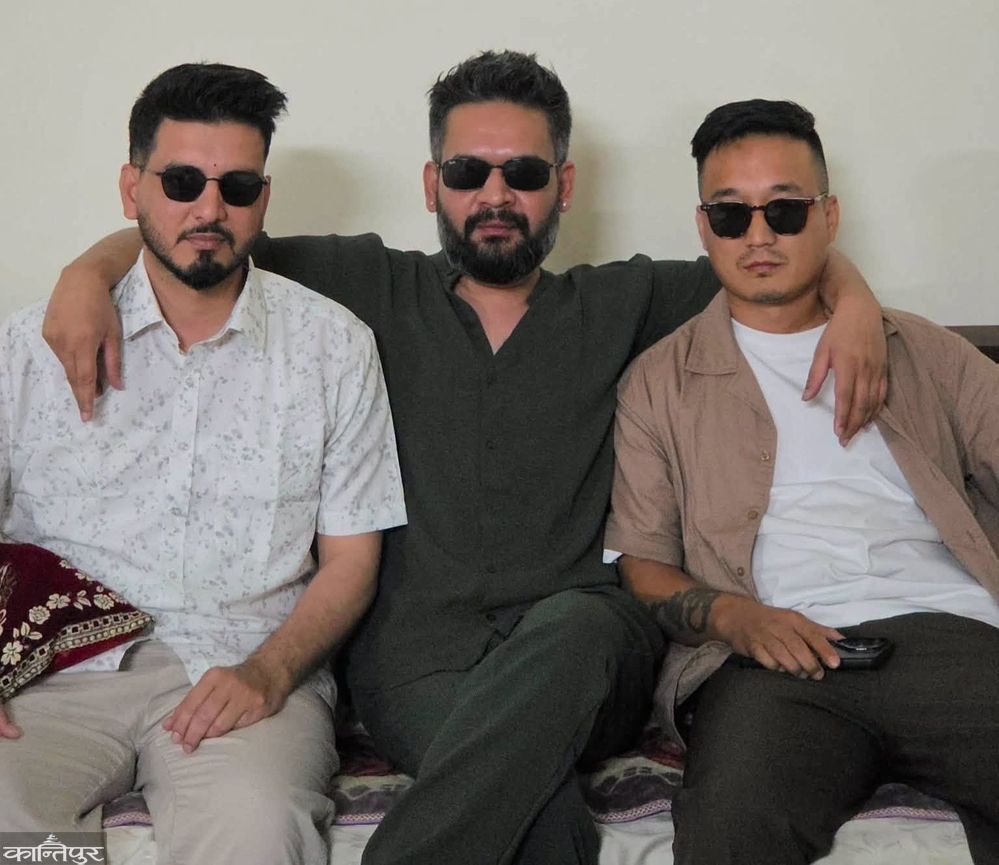
एक्सप्रेस-वेमा बिनाब्रेकका वालेन्द्र ४७ लाख फेसबुक फलोअर्स, करोडौं भ्युज र अनगिन्ती पोस्टबीच प्रधानमन्त्री वालेन्द्र शाह अझै रहस्यमय छन् । उनी आफ्ना कुरा सामाजिक सञ्जालमा लेख्छन्, तर आफूलाई व्याख्या गराउन रुचाउँदैनन् । प्रधानमन्त्री बनेको सय दिनमा गरेका कैयौं क्रियाकलाप तथा निर्णयप्रतिको आलोचनालाई स्वीकार गरेर उत्तर दिनुभन्दा त्यसको आधार नै अस्वीकार गर्ने शैली अपनाइरहेका छन् । ............ सामाजिक सञ्जालमा उनी अत्यन्त सक्रिय छन् । उनका सहयोगीहरूका अनुसार शाहले दैनिक तीनदेखि चार सयसम्म कमेन्ट पढ्छन् । जनमत बुझ्न उनले प्रमुख माध्यम नै सञ्जाललाई बनाएका छन् । फुर्सदमा भने उनको अर्को संसार भिडियो गेम हो । उनले भ्रष्टाचार र अन्यायविरुद्ध लड्ने किशोर-किशोरीहरूको कथामा आधारित चर्चित गेम ‘पर्सोना-५’ पूराका पूरा खेलेका छन् । ‘प्रधानमन्त्री यति तीक्ष्ण र बौद्धिक हुनुको एउटा कारण उहाँ भिडियो गेम खेल्नु पनि हो,’ शाहको आदतबारे बेन भन्छन् । भिडियो गेम नखेलिरहेका बेला शाह गीत लेख्न रुचाउँछन् । बाल्यकालदेखि नै गीत लेख्ने उनको बानी अहिले पनि कायम रहेको बेनको भनाइ छ । ........ राजनीतिमा आउनुभन्दा धेरै अघिदेखिको उनीहरूको मित्रता अहिले पनि उस्तै छ । काठमाडौं महानगरपालिकाको मेयर रहेका बेला उनीहरू फ्रान्स, ब्राजिल, इन्डोनेसिया र श्रीलंकालगायत देशमा सँगै भ्रमण गरेका थिए । सन् २०२४ मेमा फ्रान्सको कान्स फिल्म फेस्टिभलमा भएको भ्रमण पनि त्यसमध्ये एक हो । विदेशमा आफूलाई मनपर्ने खाना नपाउँदा आफै पकाएर खाएको बेन सम्झन्छन् । कहिले काठमाडौंबाटै बोकेर गएको दाल, अचार र गुन्द्रुक पकाउँथे, कहिले स्थानीय बजारबाट सामान किनेर नेपाली परिकार तयार पार्थे । ...... बेनका अनुसार अहिलेका पूर्वाधार विकासमन्त्री सुनिल लम्साल पनि उनीहरूका पुराना साथी हुन् । ........ अहिले पनि उनी धेरैजसो आफैँ गाडी चलाउँछन् । कहिलेकाहीँ कुनै पूर्वसूचना नदिई कुमार बेनको घर पुग्छन् र घण्टौँ त्यहीँ बिताउँछन् । ......... राजनीतिमा प्रवेश गरेपछि पनि शाहले चुनावी अभियानमा धेरै बोलेनन् । पूर्वदेखि पश्चिमसम्म ४० दिनमा करिब ११ हजार किलोमिटर यात्रा गरे, तर समग्र चुनावी सभामा उनले गरेको सम्बोधन जोड्दा जम्मा २७ मिनेट पुग्छ । तर, मौनताकै बीच उनले भारी मतान्तरले पूर्वप्रधानमन्त्री केपी शर्मा ओलीलाई हराए, त्यसले नेपाली मतदाताले कस्तो नेतृत्व खोजिरहेका थिए र परम्परागत राजनीतिक शैलीको विकल्पका रूपमा के स्वीकार गर्न तयार थिए भन्ने संकेत दिन्छ । .........
यदि कुनै एउटा ठाउँ छ, जहाँ वालेन्द्र शाह निरन्तर, खुलेर आफ्नै शैलीमा बोल्छन् भने त्यो हो- फेसबुक । उनी नियमित रूपमा फेसबुकमा लेख्छन्, र त्यही पोस्ट स्वतः एक्स (पुरानो ट्विटर) मा पनि प्रकाशित हुन्छ ।
............... २३ जेठ २०८३, शनिबार राति १०:१५ बजे उनले एउटा व्यंग्यात्मक वाक्य पोस्ट गरे, ‘मलाई पनि एम्बास्डर (राजदूत) बन्न मन छ, पीएम (प्रधानमन्त्री) को नम्बर छ भने यसो दिनुस् न ।’ यो पोस्ट प्रधानमन्त्रीसँग सिधै सम्पर्क गरेर राजदूत नियुक्तिका लागि सोधेका सचिव कृष्णहरि पुष्करलाई लक्षित थियो । ............ पोस्ट सार्वजनिक भएको केही घण्टामै शिक्षामन्त्री तथा सरकारका प्रवक्ता सस्मित पोखरेलले ‘म म्यासेज गरिदिन्छु’ भनेर ठट्टा गरे । सांसद टीका संग्रौला ज्वालाले ‘मसँग नम्बर त छ, तर दिन्नँ’ भन्दै टिप्पणी गरिन् । टिप्पणी गर्नेमा अर्की सांसद रञ्जु दर्शना पनि थपिइन् । उनले भनिन्, ‘पीएम पनि एम्बास्डर पनि बन्न पाइँदैन, एउटा चुज (छान्नुस्) गर्नुस् पहिला ।’ ............ त्यसको चौतर्फी आलोचना भइरहेका बेला २६ वैशाखमा शाहले फेसबुकमा एउटा स्टाइलिस तस्बिर सार्वजनिक गरे । सेतो सर्ट र धर्के पाइन्ट लगाएर बसेको त्यो तस्बिर क्षणभरमै सामाजिक सञ्जालमा भाइरल बन्यो । ............ केही घण्टामै त्यसकै आधारमा एआई प्रयोग गरी बनाइएका सयौं तस्बिर सामाजिक सञ्जालभर फैलिन थाले । अध्यादेशबारेको बहस ओझेलमा पर्यो । एक सातापछि, २ जेठमा काठमाडौंका खोला किनारमा डोजर चलाएर खाली गराइएका बस्तीबाट विस्थापित सुकुमवासीलाई राखिएको होल्डिङ सेन्टरको दुरावस्थाबारे आलोचना भइरहेका बेला शाहले फेरि त्यही पोसाकमा अर्को तस्बिर पोस्ट गरे । यसपटक उनको हातमा डीडीसीको चिज थियो । क्याप्सनमा उनले लेखे, ‘से चिज, डीडीसीको चिज ।’ व्यावसायिक प्रचार गरेको भन्दै आलोचना हुन थालेपछि उनले कमेन्ट लेख्दै डीडीसी नेपाल सरकारको संस्था भएको पनि उल्लेख गरे । ...........
त्यो पोस्टको प्रभाव तत्काल देखियो । दुग्ध विकास संस्थान (डीडीसी) का अधिकारीहरूका अनुसार याक चिजको माग झन्डै ३० प्रतिशतले बढ्यो । डीडीसीका बजार व्यवस्थापन प्रमुख सञ्जीव झाले भने, ‘सुपरमार्केटहरूबाट थप चिज उपलब्ध गराइदिनुस् भनेर फोन आउन थालेका छन् ।’
......... संसद्बाट बाहिरिने क्रममा उनी केहीबेर सांसद विदुषी राणासँग रोकिए र आफूले लगाएको गोल्डस्टार जुत्ता देखाए । पछि कान्तिपुर टेलिभिजनको कार्यक्रम ‘फायर साइड’ मा राणाले काठमाडौं महानगरपालिकाको मेयर हुँदा आफूले गोल्डस्टार जुत्ताबारे बोलेको प्रसंग शाहले सम्झिरहेको देख्दा अचम्ममा परेको बताएकी थिइन् । ‘उहाँले त्यति ध्यान दिनुभएको होला भन्ने मैले सोचेकी थिइनँ,’ उनले भनिन् । ............. प्रधानमन्त्रीले कुनै विशेष ब्रान्डको प्रचार गर्न खोजेको हो भन्ने प्रश्नमा भने राणाले त्यसलाई संयोग मात्र भएको बताइन् । ‘संसद्बाट बाहिरिने क्रममा मेरो उहाँसँग भेट भयो,’ उनले भनिन्, ‘मैले नमस्कार गर्नेबित्तिकै उहाँले भन्नुभयो: हेर्नुस्, मैले गोल्डस्टार लगाएको छु ।’ .......... जेन-जी अगुवा अमित ऊर्जा भन्छन्, ‘शाहले डिजिटल एल्गोरिदम कसरी काम गर्छ भन्ने राम्ररी बुझेका छन् । त्यसैले सार्वजनिक बहसको केन्द्र बदल्ने गरी उनी बेला-बेलामा नयाँ विषय सिर्जना गर्छन् ।’ .......... उनको बुझाइमा प्रधानमन्त्री शाह जनताको ध्यान तान्न सक्ने लोकप्रिय विषय उठाउन निकै सिपालु छन् । ........... १ असारमा फेसबुकमा उनले लेखेका थिए, ‘हप्ताभरि काम गरेर म बिदाको दिन जिस्किन्छु, यो समस्या होइन । दुःख त्यो दिन मान्नु जुन दिन म जिस्किन छाड्छु ।’ ............ शाहले गर्ने यस्ता पोस्ट सतहमा हेर्दा कुनै पनि व्यक्तिले गर्न सक्ने सामान्य अभिव्यक्ति जस्तै लाग्छ । तर आलोचकहरूको तर्क फरक छ । उनीहरूका अनुसार शाह ‘सामान्य व्यक्ति’ होइनन्, जसलाई नेपाली मतदाताले अभूतपूर्व समर्थनसहित सत्तामा पुर्याएका छन् । ती मतदातामध्ये धेरैले अहिले उनीबाट देशको भविष्यबारे स्पष्ट दृष्टिकोण र नेतृत्वको अपेक्षा गरिरहेका छन् । ........ प्रधानमन्त्रीले विदेशी कूटनीतिज्ञ, उच्च सरकारी कर्मचारी, दलका नेताहरू, सांसद, सुरक्षा निकायका प्रमुख, व्यवसायी र सञ्चारकर्मीसँग हुने व्यक्तिगत भेटघाटलाई उल्लेखनीय रूपमा सीमित गरेका छन् । प्रधानमन्त्री बनेपछि उनले कूटनीतिक समुदायसँग सामूहिक रूपमा दुई पटक मात्रै भेट गरेका छन्, २५ चैत र ११ जेठमा । .......... तीमध्ये एक बैठकमा सहभागी एक कूटनीतिज्ञका अनुसार दुवै बैठकको शैली लगभग उस्तै थियो । राजदूतहरूले आ-आफ्नो परिचय दिए, प्रधानमन्त्रीले परराष्ट्र मन्त्रालयले तयार पारेको लिखित मन्तव्य पढेर सुनाए । ‘उहाँले हाम्रो कुरा शान्त भएर सुन्नुभयो, तर धेरै प्रश्न सोध्नुभएन,’ नाम उल्लेख नगर्ने सर्तमा ती कूटनीतिज्ञले कान्तिपुरसँग भने । ........... कम्तीमा दुई जना विदेशी कूटनीतिज्ञका अनुसार यस्तो शैली असामान्य थियो । सामान्यतया नयाँ सरकार बनेपछि राजदूतहरूले प्रधानमन्त्रीसँग व्यक्तिगत भेटघाटलाई प्राथमिकता दिन्छन् । ........... तर शाह सरकारले भने राजदूतहरूलाई दुई पटक सामूहिक रूपमा मात्रै भेट्यो । ‘हामीले यसअघि यस्तो अभ्यास देखेका थिएनौं,’ एक एसियाली मुलुकका कूटनीतिज्ञले भने, ‘यो जानाजानी अपनाइएको नीति हो कि यो सरकारको कार्यशैली नै यस्तै हो, अहिले नै निष्कर्ष निकाल्न सकिँदैन ।’ ........... प्रधानमन्त्रीको पहुँच सीमित गर्ने यो अभ्यास बाहिरी व्यक्तिमा मात्रै सीमित छैन । सरकारी संयन्त्रभित्र पनि त्यसको कडाइका साथ पालना गराइएको देखिन्छ । .......... २१ जेठमा पुष्करले रिक्त रहेको राजदूत पदबारे सरोकार राख्दै प्रधानमन्त्रीलाई सिधै मोबाइल सन्देश पठाएका थिए । बिहान उनले त्यो सन्देश पठाएका थिए, बेलुकी प्रधानमन्त्री तथा मन्त्रीपरिषद्को कार्यालयको निर्देशनमा प्रहरीले उनकै घरबाट नियन्त्रणमा लिएर टेकुस्थित उपत्यका अपराध अनुसन्धान कार्यालयमा सोधपुछका लागि लग्यो । .......... भोलिपल्ट पुष्करले कान्तिपुरसँग कुरा गर्दै प्रधानमन्त्रीसँग भेट्ने प्रयास पटक-पटक असफल भएपछि आफूले सिधै सन्देश पठाएको बताएका थिए । गृह मन्त्रालयका एक अधिकारीका अनुसार व्यक्तिगत लाभका लागि प्रधानमन्त्रीलाई प्रत्यक्ष सम्पर्क गर्नु र प्रशासनिक ‘चेन अफ कमान्ड’ उल्लंघन गर्नु नै उनीमाथि सोधपुछ गर्नुको कारण थियो । प्रहरीले भने पर्याप्त कानुनी आधार नदेखिएपछि सोधपुछपछि पुष्करलाई रिहा गरेको थियो । ........... यो घटनाको पूर्वप्रशासकहरूले तीव्र आलोचना गरे । उनीहरूका अनुसार कुनै कर्मचारीले प्रधानमन्त्रीलाई सिधै सम्पर्क गरेको भन्दै प्रहरीले नियन्त्रणमा लिने अभ्यास निजामती सेवाको इतिहासमै नभएको र यसले अनावश्यक रूपमा अधिनायकवादी कार्यशैलीको संकेत गरेको छ । ............. यो घटनापछि प्रधानमन्त्री तथा मन्त्रीपरिषद्को कार्यालयले पुष्करलाई उपराष्ट्रपति कार्यालयको जिम्मेवारीबाट हटाएर अतिरिक्त समूहमा सरुवा गरिदिएको थियो । उच्च सरकारी कर्मचारीहरूलाई पनि प्रधानमन्त्रीसँग सिधै सम्पर्क नगरी मुख्यसचिव सुमनराज अर्यालमार्फत विषयवस्तु अघि बढाउन निर्देशन दिइएको छ । यद्यपि, आवश्यक ठानेका बेला प्रधानमन्त्रीले आफैं वरिष्ठ कर्मचारीलाई बोलाएर छुट्टै छलफल गर्ने गरेको अधिकारीहरू बताउँछन् । .......... शाह प्रधानमन्त्री बनेपछि सरकार सञ्चालनको लय पनि फेरिएको छ । अघिल्ला सरकारहरूमा मन्त्रीपरिषद्का बैठक कहिले सिंहदरबारस्थित प्रधानमन्त्री तथा मन्त्रीपरिषद्को कार्यालयमा, कहिले बालुवाटारस्थित सरकारी निवासमा बस्ने गर्थे । सोमबार र बिहीबार नियमित बैठक बस्ने चलन थियो । अहिले भने सबै बैठक सिंहदरबारमै हुन्छन् । निश्चित कार्यतालिका छैन र अधिकांश बैठक आधा घण्टाभन्दा लामो चल्दैनन् । एक समय राजनीतिक भेटघाटले भरिने भएकाले ‘पार्टी प्यालेस’ भनेर व्यंग्य गरिने बालुवाटारस्थित प्रधानमन्त्री निवास अहिले सरकारी कामकाजका लागि प्रयोग हुन छाडेको छ । ........... भूमि व्यवस्था, सहकारी, संघीय मामिला तथा सामान्य प्रशासनमन्त्री प्रतिभा रावलका अनुसार प्रधानमन्त्री शाह कुनै पनि प्रस्तावलाई ‘धेरै कोणबाट’ हेर्छन् । सम्बन्धित मन्त्रीको कुरा पूरा सुन्छन्, आफ्नो निर्णय जबर्जस्ती थोपर्दैनन् । मन्त्रीपरिषद् बैठकको अन्त्यमा उनी प्रायः मन्त्रीहरूलाई ‘थप भन्नुपर्ने केही छ ?’ भनेर सोध्ने गर्छन् । राम्रो काम गरेको अवस्थामा मन्त्रीहरूको व्यक्तिगत रूपमा प्रशंसा पनि गर्ने रावलको भनाइ छ । ‘प्रधानमन्त्री बोल्नुहुन्न, छलफल गर्नुहुन्न भन्ने सार्वजनिक भाष्य सही होइन,’ उनले भनिन्, ‘सरकारका नीतिगत विषयमा मन्त्रीहरू नियमित रूपमा प्रधानमन्त्रीलाई भेट्न जानुहुन्छ । पार्टीको धारणा आवश्यक पर्ने विषयमा पनि हामी भेट्छौं र उहाँसँग समय पाउन कुनै समस्या हुँदैन ।’ ................ सांसद् केपी खनाल पनि प्रधानमन्त्रीसँगको सम्बन्धलाई औपचारिक तर कार्यमुखी भएको बताउँछन् । काठमाडौं महानगरपालिकाको मेयर हुँदादेखि शाहसँग काम गर्दै आएका खनाल भन्छन्, ‘हामी बालुवाटार जाँदैनौं । प्रधानमन्त्रीलाई भेट्नुपरे सिंहदरबारस्थित कार्यालयमै जान्छौं । पछिल्लो पटक संसद्मा भेट हुँदा उहाँले सरसफाइ अभियान कस्तो भइरहेको छ भनेर सोध्नुभएको थियो ।’ .......... अर्का सांसद् बब्लु गुप्तालाई समेत उनले हालै संसद्बाट बाहिरिँदै गर्दा अँगालो हालेर हालखबर सोध्दै भनेका थिए, ‘तिमी बीचमा कहाँ हराएका थियौ ? के गर्दै छौ ?’ ............ रास्वपा संसदीय दलका उपनेता गणेश पराजुली भन्छन्, ‘पार्टीका विषय सभापति रवि लामिछानेमार्फत प्रधानमन्त्रीकहाँ पुग्छन् । सरकारका विषय पनि प्रधानमन्त्रीबाट त्यही प्रक्रियामार्फत पार्टीमा आउँछन् ।’ ................. काठमाडौं महानगरपालिकामा मेयर रहँदादेखि शाहसँग काम गरेकाहरूका अनुसार प्रधानमन्त्री बनेपछि पनि उनको कार्यशैली खासै बदलिएको छैन । शाहले निर्णय कसरी गर्छन् भन्ने सबैभन्दा स्पष्ट उदाहरण भने संसद्मा होइन, संवैधानिक परिषद्को बैठकको एउटा सानो कोठामा देखियो । प्रधानन्यायाधीशलगायत संवैधानिक निकायका महत्त्वपूर्ण पदमा नियुक्तिका लागि सिफारिस गर्ने ६ सदस्यीय परिषद्को अध्यक्षका रूपमा शाहले २४ वैशाखमा पहिलो बैठक बोलाएका थिए । बैठकअघि परिषद्भित्र र बाहिर दुवैतर्फ एउटा अपेक्षा थियो- सर्वोच्च अदालतकी कायममुकायम प्रधानन्यायाधीश सपना प्रधान मल्लको नाम सिफारिस हुनेछ । सर्वोच्चमा उनी वरिष्ठतम न्यायाधीश थिइन् र परिषद्का अधिकांश सदस्यको रोजाइ पनि उनी नै थिइन् । तर शाहले फरक निर्णय गरे । उनले वरिष्ठताको परम्परा तोड्दै चौथो नम्बरका न्यायाधीश मनोज शर्माको नाम प्रस्ताव गरे । बैठकमा आइपर्न सक्ने सम्भावित चुनौतीलाई उनले अध्यादेशमार्फत पहिल्यै पन्छाइसकेका थिए । ............. परिषद्का सदस्यहरूले कान्तिपुरलाई दिएको जानकारीअनुसार शाहको चाहना कुनै स्पष्ट राजनीतिक सम्बन्ध नभएको व्यक्तिलाई प्रधानन्यायाधीश बनाउने थियो । ............ शाहलाई नजिकबाट चिन्नेहरू उनी निर्णयमा अलमल गर्दैनन् । ‘हुन्छ या हुँदैन’ एउटैमा अडिग रहन्छन् । उनीहरूका अनुसार फाइल या त स्वीकृत हुन्छ, नभए तुरुन्त फर्काइन्छ । ........... अन्ततः प्रधानमन्त्री शाहले ७ असारमा पहिलो पटक सार्वजनिक मञ्चमा उभिएर सम्बोधन गरे । रास्वपाको पहिलो महाधिवेशनलाई सम्बोधन गर्दै उनले प्रधानमन्त्री बनेयताको पहिलो सार्वजनिक भाषण दिएका थिए । सुरुवातमा उनले भनेका थिए, ‘नबोलौं भन्छु, बोल्ने दिन आइहाल्छ ।’ .............. कतिपय प्रसंगमा उनले आलोचनालाई स्वीकार गरेर उत्तर दिनुभन्दा त्यसको आधार नै अस्वीकार गर्ने शैली अपनाए । ................ ‘गाडीमा इन्जिन जति आवश्यक हुन्छ, ब्रेक पनि त्यत्तिकै आवश्यक हुन्छ,’ ज्ञवालीले भनेका थिए । शाह आफूले बोल्ने क्रममा ज्ञवालीलाई जवाफ दिए, ‘त्यो चिन्ता स्थानीय सडकमा गुड्ने गाडीका लागि उपयुक्त हुन सक्छ । हाम्रो गाडी एक्सप्रेस-वेमा दौडिरहेको छ । गन्तव्यमा पुगेपछि मात्रै ब्रेक लाग्छ ।’
My company Himalayan Compute will harness all of Nepal's 50,000 MW in hydroelectric potential to turn at least 80% of that electricity into compute, the highest demand product in the global economy today. You push electricity through NVIDIA's GPU chips, and you get compute. All of AI runs on that compute. There is bottomless demand for that compute. I am in West Texas right now, about six hours west of Dallas. Halfway to Dallas in Abilene, TX, OpenAI is building this massive AI datacenter to generate compute, because land is cheap. But electricity is not. And 25% of the electricity will go to cool the heated chips. Nepal can offer the cheapest compute in the world. Electricity is cheap. Cooling is free in the Himalayas.
You need upwards of 120B to harness 50,000 MW of electricity. Nepal's GDP is 50B. So, you go to the Sovereign Wealth Funds in the Gulf countries. Nepalis built those countries with their own bare hands. Now those countries should help build Nepal. At some future point oil will either run out or get priced out by solar. But if they are invested in Nepal's compute, they will stay wealthy even when they no longer have oil revenues coming in.
Before the 100B round, there will be a 10B round. Before the 10B round, the 1B round. Before that the 100M round. Before the 100M round, the 10M round. Before the 10M round, the 1M round. I have approached Sammer Maskey, the top Nepali tech entrepreneur in the US who has managed to list his company FuseMachines on Nasdaq. Invest in my company like Yahoo invested in Alibaba. Your 1M is 1B in 10 years. Before the 1M there is 100K. I have reached out to everyone I know. Over emails, text messages, phone calls. I only need five Nepalis in the US to come in at 20K each. This 20K is 20M in 10 years. This 20M is more money than any white-collar professional hopes to make over their entire careers working full time. That applies to Nepali doctors, lawyers, engineers, and others.
Himalayan Compute will give Nepal triple digit growth rates for a few years. Himalayan Compute will make Nepal a developed nation before India. Himalayan Compute will end poverty in Nepal. It is a highly capital intensive, technology intensive pathway to getting there that has only now become possible post-AI.
Balen is my cousin. His grandfather and my grandmother were siblings. But more importantly, he is the most promising political figure to have emerged in Nepal in my lifetime. For the first time in my life, I am seeing good governance has now become possible in Nepal. Without that foundation of good governance, the economic revolution I envision is not possible.
I am a political person. I was the only full-timer among the Nepalis across the US to have worked for Nepal's democracy movement in 2005-06. For a few years between high school and college I was actively politicking in Nepal when I was too young to run for office. I was a Vice General Secretary to Sadbhavana Party's first breakaway group called the Nepal Samajwadi Janata Dal. The chairperson Rameshwar Ray Yadav went on to become minister multiple times. The General Secretary Hridayesh Tripathy went on to become minister multiple times. Another Vice General Secretary Sarita Giri went on to become minister. Rajendra Mahato was junior to me in the party. He was a member of the Central Committee. He went on to become minister multiple times, and ultimately even Deputy Prime Minister. I came to America for college. Within six months of landing, I got myself elected student body president at the top liberal arts college in the US South, almost a decade before Bobby Jindal ran and won any election in the US South, which is still considered not particularly friendly to non-whites. I was Barack Obama's first full-time volunteer in all of New York City, the capital city of the world, Clinton country, and home to the Democratic Party machine, and paid a steep political price for it by the time the primaries were over.
What I have studied more than anything else in my decades in America is the tech startup. I was party of a team that was trying to build an online South Asian community about half a decade before Facebook launched. The company went down with the dot com bust.
Himalayan Compute is multi-disciplinary, and multi-continental. And it is launching with a Grand Solara Vision. I coined that phrase. And I did not coin the term unicorn, but I am the father of the phrase Solara. A unicorn is a billion-dollar tech startup. A Solara is a trillion. In 10 years, there will be as many Solaras as there are unicorns today.
The thinking behind the phrase Grand Solara Vision is that it is like going to the moon. Traditionally Silicon Valley thinks launching a tech startup is like Columbus going to India and ending up in America. I am rejecting that. I am saying that you have to treat the launch like you are going to the moon. You need to know exactly where you are going. And you need a detailed roadmap to get there. You don't shoot a rocket for an hour and then ask, do we turn left, do we turn right? You already know at launch.
The greatest challenge to the project is governance in Nepal. And so, I as the Founder am making the business decision to give 10% ownership in the company to the Government of Nepal. This 10% is Nepal's very own Sovereign Wealth Fund. 10% of 1T is 100B. Nepal's GDP today is 50B. The company will cross 1T in market value in 10 years. In return I want a one desk policy, one desk in the Prime Minister's office that takes care of everything the company needs done that involves the government in Nepal at all three levels, and across ministries.
The company will also give 10% ownership to a Foundation that will end poverty in Nepal by doing direct cash transfers to the poorest 20% in the country through the Aadhar UPI framework. Poverty is a lack of cash. You end poverty by doling out cash. Prosperity people need to work for.
This will transform Nepal. But this can also transform Nepalis in the United States. Every Nepali in the US, no matter what their job, if they have been here a few years, if they have basic money management skills, which basically means a hard instinct to save no matter how much you make, can choose to invest 5K into the company. But the company cannot take the money directly because there is a law that says as soon as you have 70 investors, you have to go public. At this juncture, that would be certain death for the company. So people invest in a separate company. And that company invests in Himalayan Compute. 5K invested now is 5M in 10 years. Which means, every Nepali who participates can hope to become a millionaire in 10 years. This is transformation. This can be a campaign in the community that I don't have the time for. Enter the Bundler concept. Someone who helps raise at least 100K is a Bundler. The Bundler gets 10% of the money raised in shares. Nepalis in the US love to launch and nurture organizations. Time to steer that energy into an economic revolution, for the country, and for the community.
— Paramendra Kumar Bhagat (@paramendra) May 28, 2026
मेरो कम्पनी हिमालयन कम्प्युटले नेपालको ५०,००० मेगावाट जलविद्युत् सम्भावनालाई उपयोग गरेर कम्तीमा ८०% विद्युत् आजको विश्व अर्थतन्त्रको सबैभन्दा उच्च माग भएको उत्पादन — कम्प्युट — मा रूपान्तरण गर्नेछ। तपाईं NVIDIA का GPU चिपहरूमा विद्युत् प्रवाह गर्नुहुन्छ, र त्यसबाट कम्प्युट उत्पादन हुन्छ। सम्पूर्ण AI यही कम्प्युटमा चल्छ। यस कम्प्युटको मागको कुनै अन्त छैन। म अहिले पश्चिम टेक्सासमा छु, डलासबाट करिब छ घण्टा पश्चिम। डलासतर्फको बाटोमा पर्ने एबिलिन, टेक्सासमा OpenAI ले विशाल AI डाटासेन्टर निर्माण गरिरहेको छ कम्प्युट उत्पादन गर्न, किनभने त्यहाँ जमिन सस्तो छ। तर विद्युत् सस्तो छैन। अनि कुल विद्युत्को २५% तातिएका चिपहरू चिस्याउन खर्च हुन्छ। नेपालले विश्वकै सबैभन्दा सस्तो कम्प्युट उपलब्ध गराउन सक्छ। यहाँ विद्युत् सस्तो छ। हिमालयमा चिस्याउने काम निःशुल्क हुन्छ।
५०,००० मेगावाट विद्युत् उपयोग गर्न १२० अर्ब डलरभन्दा बढी लगानी चाहिन्छ। नेपालको GDP अहिले ५० अर्ब डलर छ। त्यसैले तपाईं खाडी मुलुकहरूका Sovereign Wealth Funds तर्फ जानुहुन्छ। नेपालीहरूले आफ्नै नाङ्गो हातले ती देशहरू निर्माण गरेका हुन्। अब ती देशहरूले नेपाल निर्माण गर्न सहयोग गर्नुपर्छ। कुनै समय तेल सकिन सक्छ वा सौर्य ऊर्जाले त्यसलाई प्रतिस्थापन गर्न सक्छ। तर यदि उनीहरूले नेपालको कम्प्युट क्षेत्रमा लगानी गरेका छन् भने, तेल आम्दानी समाप्त भए पनि उनीहरू धनी रहिरहनेछन्।
१०० अर्ब डलरको चरणभन्दा अघि १० अर्ब डलरको चरण हुनेछ। १० अर्बभन्दा अघि १ अर्ब। त्यसअघि १० करोड। १० करोडभन्दा अघि १ करोड। अनि १ करोडभन्दा अघि १० लाख। मैले अमेरिकास्थित शीर्ष नेपाली प्रविधि उद्यमी समीर मास्केलाई सम्पर्क गरेको छु, जसले आफ्नो कम्पनी FuseMachines लाई Nasdaq मा सूचीबद्ध गर्न सफल भएका छन्। मेरो कम्पनीमा त्यसरी लगानी गर्नुहोस् जसरी Yahoo ले Alibaba मा लगानी गरेको थियो। तपाईंको १० लाख डलर १० वर्षमा १ अर्ब बन्न सक्छ। १० लाखभन्दा अघि १ लाख हुन्छ। मैले आफूले चिनेका सबैलाई सम्पर्क गरेको छु — इमेल, टेक्स्ट सन्देश, फोन कलमार्फत। मलाई अमेरिकामा रहेका केवल पाँच जना नेपाली चाहिन्छ, जसले जनही २० हजार डलर लगानी गरून्। यो २० हजार डलर १० वर्षमा २ करोड बन्न सक्छ। त्यो २ करोड डलर भनेको अधिकांश श्वेतपोश पेशाकर्मीहरूले जीवनभर पूर्णकालीन काम गरेर कमाउने आशा गर्ने रकमभन्दा धेरै हो। यो कुरा नेपाली डाक्टर, वकिल, इन्जिनियर तथा अन्य पेशाकर्मीहरूमा पनि लागू हुन्छ।
हिमालयन कम्प्युटले नेपाललाई केही वर्षका लागि तीन अङ्कीय आर्थिक वृद्धिदर दिनेछ। हिमालयन कम्प्युटले नेपाललाई भारतभन्दा अघि विकसित राष्ट्र बनाउनेछ। हिमालयन कम्प्युटले नेपालबाट गरिबी अन्त्य गर्नेछ। यो अत्यन्त पूँजी-गहन र प्रविधि-गहन मार्ग हो, जुन AI पछिको युगमा मात्र सम्भव भएको हो।
बालेन मेरो भाइ हुन्। उहाँका हजुरबुबा र मेरी हजुरआमा दाजु-बहिनी हुनुहुन्थ्यो। तर अझ महत्त्वपूर्ण कुरा के हो भने, उहाँ मेरो जीवनकालमा नेपालबाट उदाएका सबैभन्दा आशाजनक राजनीतिक व्यक्तित्व हुनुहुन्छ। मेरो जीवनमा पहिलो पटक मलाई नेपालमा सुशासन सम्भव भएको देखिन थालेको छ। सुशासनको त्यो आधार बिना मैले कल्पना गरेको आर्थिक क्रान्ति सम्भव छैन।
म राजनीतिक व्यक्ति हुँ। २००५–०६ को नेपालको लोकतान्त्रिक आन्दोलनका क्रममा अमेरिकाभर रहेका नेपालीहरूमध्ये पूर्णकालीन रूपमा काम गर्ने म एक्लो व्यक्ति थिएँ। हाई स्कूल र कलेजको बीचका केही वर्ष म नेपालमा सक्रिय राजनीतिमा संलग्न थिएँ, त्यतिबेला म चुनाव लड्नका लागि धेरै सानो उमेरको थिएँ। म सद्भावना पार्टीको पहिलो विभाजन समूह नेपाल समाजवादी जनता दलको उपमहासचिव थिएँ। त्यस पार्टीका अध्यक्ष रामेश्वर राय यादव पछि पटक–पटक मन्त्री बन्नुभयो। महासचिव हृदयेश त्रिपाठी पनि पटक–पटक मन्त्री बन्नुभयो। अर्की उपमहासचिव सरिता गिरी पनि मन्त्री बन्नुभयो। राजेन्द्र महतो मभन्दा कनिष्ठ हुनुहुन्थ्यो, उहाँ केन्द्रीय समितिको सदस्य हुनुहुन्थ्यो। पछि उहाँ पनि पटक–पटक मन्त्री बन्नुभयो र अन्ततः उपप्रधानमन्त्रीसम्म बन्नुभयो।
म कलेजका लागि अमेरिका आएँ। अमेरिका आएको छ महिनाभित्रै मैले अमेरिकाको दक्षिण क्षेत्रमा रहेको शीर्ष liberal arts कलेजमा विद्यार्थी सङ्घको अध्यक्ष पद जितेँ। त्यो घटना बबी जिन्दलले अमेरिकाको दक्षिण क्षेत्रमा कुनै चुनाव जित्नुभन्दा लगभग एक दशकअगाडि भएको थियो। त्यो क्षेत्र आज पनि गैर-श्वेतहरूका लागि धेरै अनुकूल मानिँदैन। म विश्वको राजधानी भनिने न्युयोर्क सहरमा Barack Obama को पहिलो पूर्णकालीन स्वयंसेवक थिएँ। त्यो क्लिन्टनहरूको गढ र Democratic Party को शक्तिशाली केन्द्र थियो। प्राइमरी चुनाव सकिँदासम्म मैले त्यसको ठूलो राजनीतिक मूल्य चुकाएँ।
अमेरिकामा बिताएका दशकहरूमा मैले सबैभन्दा धेरै अध्ययन गरेको विषय भनेको टेक स्टार्टअप हो। फेसबुक सुरु हुनुभन्दा लगभग आधा दशकअघि म एउटा टोलीको सदस्य थिएँ जसले अनलाइन दक्षिण एशियाली समुदाय निर्माण गर्ने प्रयास गरिरहेको थियो। डटकम संकटसँगै त्यो कम्पनी बन्द भयो।
हिमालयन कम्प्युट बहुविषयक र बहुखण्डीय परियोजना हो। र यो “Grand Solara Vision” लिएर सुरु हुँदैछ। त्यो वाक्यांश मैले गढेको हुँ। “Unicorn” शब्द मैले बनाएको होइन, तर “Solara” अवधारणाको जनक म हुँ। Unicorn भनेको एक अर्ब डलर मूल्यको टेक स्टार्टअप हो। Solara भनेको एक ट्रिलियन। आज जति Unicorn छन्, १० वर्षपछि त्यति नै Solara हुनेछन्।
“Grand Solara Vision” पछाडिको सोच भनेको चन्द्रमामा जानुजस्तै हो। परम्परागत रूपमा Silicon Valley ले टेक स्टार्टअप सुरु गर्नु भनेको Columbus भारत खोज्दै अमेरिका पुग्नुजस्तै मान्थ्यो। म त्यो सोचलाई अस्वीकार गर्छु। म भन्छु — स्टार्टअपको सुरुवात चन्द्रमामा जान लागेको जस्तै हुनुपर्छ। तपाईंलाई आफू कहाँ जाँदै हुनुहुन्छ भन्ने कुरा एकदम स्पष्ट थाहा हुनुपर्छ। अनि त्यहाँ पुग्न विस्तृत रोडम्याप हुनुपर्छ। तपाईं एक घण्टा रकेट उडाएर “अब बायाँ मोड्ने कि दायाँ?” भनेर सोध्नुहुन्न। त्यो निर्णय सुरुमै स्पष्ट हुन्छ।
यस परियोजनाको सबैभन्दा ठूलो चुनौती भनेको नेपालमा सुशासन हो। त्यसैले संस्थापकको रूपमा मैले व्यावसायिक निर्णय गर्दै कम्पनीको १०% स्वामित्व नेपाल सरकारलाई दिने निर्णय गरेको छु। यो १०% नेपालकै आफ्नै Sovereign Wealth Fund हुनेछ। १ ट्रिलियन डलरको १०% भनेको १०० अर्ब डलर हो। नेपालको आजको GDP ५० अर्ब डलर छ। कम्पनीले १० वर्षमा १ ट्रिलियन डलर बजार मूल्य पार गर्नेछ। यसको बदलामा म प्रधानमन्त्री कार्यालयमा एउटा “one desk policy” चाहन्छु — यस्तो एउटा डेस्क जसले संघीय, प्रादेशिक र स्थानीय तहका सबै सरकारी काम तथा मन्त्रालयबीचको समन्वय कम्पनीका लागि सहज बनाओस्।
कम्पनीले अर्को १०% स्वामित्व एउटा Foundation लाई दिनेछ, जसले Aadhar UPI जस्तै संरचना प्रयोग गरेर देशका सबैभन्दा गरीब २०% मानिसलाई प्रत्यक्ष नगद हस्तान्तरण गरी नेपालबाट गरीबी अन्त्य गर्ने लक्ष्य राख्नेछ। गरीबी भनेको नगदको अभाव हो। नगद वितरण गरेर गरीबी अन्त्य गर्न सकिन्छ। समृद्धिका लागि भने मानिसहरूले काम गर्नुपर्छ।
यसले नेपाललाई रूपान्तरण गर्नेछ। तर यसले अमेरिकामा रहेका नेपालीहरूलाई पनि रूपान्तरण गर्न सक्छ। अमेरिकामा रहेका हरेक नेपाली, चाहे जुनसुकै पेशामा होऊन्, यदि उनीहरू केही वर्षदेखि यहाँ छन् र उनीहरूसँग आधारभूत वित्तीय अनुशासन छ — अर्थात् जति कमाए पनि बचत गर्ने बानी — भने उनीहरूले कम्पनीमा ५ हजार डलर लगानी गर्न सक्छन्। तर कम्पनीले त्यो पैसा सिधै लिन सक्दैन, किनभने एउटा कानुन छ जसअनुसार ७० जना लगानीकर्ता पुगेपछि कम्पनी सार्वजनिक हुनुपर्छ। अहिलेको अवस्थामा त्यो कम्पनीका लागि निश्चित मृत्यु हुनेछ। त्यसैले मानिसहरूले छुट्टै कम्पनीमा लगानी गर्नेछन्, र त्यस कम्पनीले हिमालयन कम्प्युटमा लगानी गर्नेछ। अहिले लगानी गरिएको ५ हजार डलर १० वर्षमा ५० लाख बन्न सक्छ। यसको अर्थ, सहभागी प्रत्येक नेपालीले १० वर्षमा करोडपति बन्ने आशा गर्न सक्छ। यही रूपान्तरण हो।
यो समुदायभित्र अभियानकै रूपमा अघि बढ्न सक्छ, तर त्यसका लागि मसँग समय छैन। यहीँ “Bundler” अवधारणा प्रवेश गर्छ। जसले कम्तीमा १ लाख डलर जुटाउन सहयोग गर्छ, ऊ Bundler हुन्छ। Bundler ले जुटाएको रकमको १०% बराबर शेयर प्राप्त गर्छ। अमेरिकामा रहेका नेपालीहरूलाई संस्था खोल्न र हुर्काउन मन पर्छ। अब त्यो ऊर्जालाई आर्थिक क्रान्तितर्फ मोड्ने समय आएको छ — देशका लागि पनि, समुदायका लागि पनि।
मेरी कंपनी हिमालयन कंप्यूट नेपाल की 50,000 मेगावाट जलविद्युत क्षमता का उपयोग करके कम-से-कम 80% बिजली को आज की वैश्विक अर्थव्यवस्था के सबसे अधिक मांग वाले उत्पाद — कंप्यूट — में बदल देगी। आप NVIDIA के GPU चिप्स में बिजली प्रवाहित करते हैं, और उससे कंप्यूट उत्पन्न होता है। पूरा AI इसी कंप्यूट पर चलता है। इस कंप्यूट की मांग असीमित है। मैं अभी पश्चिम टेक्सास में हूँ, डलास से लगभग छह घंटे पश्चिम। डलास की ओर जाते हुए एबिलीन, टेक्सास में OpenAI एक विशाल AI डाटासेंटर बना रहा है ताकि कंप्यूट तैयार किया जा सके, क्योंकि वहाँ जमीन सस्ती है। लेकिन बिजली सस्ती नहीं है। और कुल बिजली का 25% गर्म चिप्स को ठंडा करने में खर्च हो जाता है। नेपाल दुनिया का सबसे सस्ता कंप्यूट उपलब्ध करा सकता है। यहाँ बिजली सस्ती है। हिमालय में कूलिंग मुफ्त है।
50,000 मेगावाट बिजली क्षमता का उपयोग करने के लिए 120 अरब डॉलर से अधिक की आवश्यकता होगी। नेपाल की GDP अभी 50 अरब डॉलर है। इसलिए आपको खाड़ी देशों के Sovereign Wealth Funds के पास जाना होगा। नेपाली लोगों ने अपने नंगे हाथों से उन देशों का निर्माण किया है। अब उन देशों को नेपाल के निर्माण में मदद करनी चाहिए। भविष्य में तेल या तो समाप्त हो जाएगा या सौर ऊर्जा द्वारा प्रतिस्थापित हो जाएगा। लेकिन यदि वे नेपाल के कंप्यूट क्षेत्र में निवेश करते हैं, तो तेल राजस्व समाप्त होने के बाद भी वे समृद्ध बने रहेंगे।
100 अरब डॉलर के चरण से पहले 10 अरब डॉलर का चरण आएगा। 10 अरब से पहले 1 अरब। उससे पहले 100 मिलियन। 100 मिलियन से पहले 10 मिलियन। और 10 मिलियन से पहले 1 मिलियन। मैंने अमेरिका के शीर्ष नेपाली टेक उद्यमी समीर मास्के से संपर्क किया है, जिन्होंने अपनी कंपनी FuseMachines को Nasdaq पर सूचीबद्ध कराया है। मेरी कंपनी में वैसे निवेश कीजिए जैसे Yahoo ने Alibaba में किया था। आपका 1 मिलियन डॉलर 10 वर्षों में 1 अरब डॉलर बन सकता है। 1 मिलियन से पहले 100 हजार डॉलर आते हैं। मैंने अपने जानने वाले हर व्यक्ति से संपर्क किया है — ईमेल, टेक्स्ट संदेश और फोन कॉल के माध्यम से। मुझे अमेरिका में रहने वाले केवल पाँच नेपाली चाहिए, जो 20-20 हजार डॉलर निवेश करें। यह 20 हजार डॉलर 10 वर्षों में 20 मिलियन डॉलर बन सकता है। यह 20 मिलियन डॉलर उस राशि से अधिक है, जितनी अधिकांश श्वेतपोश पेशेवर अपने पूरे जीवन भर पूर्णकालिक काम करके कमाने की आशा करते हैं। यह बात नेपाली डॉक्टरों, वकीलों, इंजीनियरों और अन्य पेशेवरों पर भी लागू होती है।
हिमालयन कंप्यूट नेपाल को कुछ वर्षों तक तीन अंकों वाली आर्थिक विकास दर देगा। हिमालयन कंप्यूट नेपाल को भारत से पहले विकसित राष्ट्र बना देगा। हिमालयन कंप्यूट नेपाल से गरीबी समाप्त कर देगा। यह एक अत्यधिक पूंजी-गहन और प्रौद्योगिकी-गहन मार्ग है, जो केवल AI के बाद के युग में संभव हुआ है।
बालेन मेरे छोटे भाइ हैं। उनके दादा और मेरी दादी भाई-बहन थे। लेकिन उससे भी अधिक महत्वपूर्ण बात यह है कि वे मेरे जीवनकाल में नेपाल से उभरे सबसे आशाजनक राजनीतिक व्यक्तित्व हैं। अपने जीवन में पहली बार मुझे लग रहा है कि नेपाल में सुशासन संभव हो गया है। सुशासन की उस नींव के बिना मैं जिस आर्थिक क्रांति की कल्पना करता हूँ, वह संभव नहीं है।
मैं एक राजनीतिक व्यक्ति हूँ। 2005–06 के नेपाल लोकतंत्र आंदोलन के दौरान अमेरिका भर के नेपाली समुदाय में मैं अकेला पूर्णकालिक कार्यकर्ता था। हाई स्कूल और कॉलेज के बीच के कुछ वर्षों में मैं नेपाल में सक्रिय राजनीति कर रहा था, जबकि मेरी उम्र चुनाव लड़ने के लिए बहुत कम थी। मैं सद्भावना पार्टी के पहले विभाजन समूह नेपाल समाजवादी जनता दल का उपमहासचिव था। उस पार्टी के अध्यक्ष रामेश्वर राय यादव बाद में कई बार मंत्री बने। महासचिव हृदयेश त्रिपाठी भी कई बार मंत्री बने। एक अन्य उपमहासचिव सरिता गिरी भी मंत्री बनीं। राजेन्द्र महतो मुझसे जूनियर थे। वे केंद्रीय समिति के सदस्य थे। बाद में वे कई बार मंत्री बने और अंततः उपप्रधानमंत्री भी बने।
मैं कॉलेज के लिए अमेरिका आया। अमेरिका आने के छह महीने के भीतर ही मैंने अमेरिकी दक्षिण के शीर्ष liberal arts कॉलेज में छात्र संघ अध्यक्ष का चुनाव जीत लिया। यह घटना बॉबी जिंदल द्वारा अमेरिकी दक्षिण में कोई चुनाव जीतने से लगभग एक दशक पहले की है। वह क्षेत्र आज भी गैर-श्वेत लोगों के लिए बहुत अनुकूल नहीं माना जाता। मैं दुनिया की राजधानी कहे जाने वाले न्यूयॉर्क शहर में Barack Obama का पहला पूर्णकालिक स्वयंसेवक था। वह क्लिंटन परिवार का गढ़ और Democratic Party की शक्ति का केंद्र था। प्राइमरी चुनाव समाप्त होते-होते मैंने इसकी भारी राजनीतिक कीमत चुकाई।
अमेरिका में बिताए दशकों के दौरान मैंने सबसे अधिक अध्ययन टेक स्टार्टअप्स का किया है। फेसबुक शुरू होने से लगभग आधा दशक पहले मैं एक ऐसी टीम का हिस्सा था जो एक ऑनलाइन दक्षिण एशियाई समुदाय बनाने की कोशिश कर रही थी। डॉट-कॉम संकट के साथ वह कंपनी समाप्त हो गई।
हिमालयन कंप्यूट बहुविषयक और बहु-महाद्वीपीय परियोजना है। और यह “Grand Solara Vision” के साथ शुरू हो रही है। यह वाक्यांश मैंने गढ़ा है। “Unicorn” शब्द मैंने नहीं बनाया, लेकिन “Solara” अवधारणा का जनक मैं हूँ। Unicorn का अर्थ है एक अरब डॉलर मूल्य वाला टेक स्टार्टअप। Solara का अर्थ है एक ट्रिलियन। आज जितने Unicorn हैं, 10 वर्षों बाद उतने ही Solara होंगे।
“Grand Solara Vision” के पीछे की सोच चाँद पर जाने जैसी है। परंपरागत रूप से Silicon Valley टेक स्टार्टअप शुरू करने को ऐसे देखती रही है जैसे Columbus भारत खोजने निकला और अमेरिका पहुँच गया। मैं उस सोच को अस्वीकार करता हूँ। मैं कहता हूँ कि स्टार्टअप लॉन्च को चाँद पर जाने जैसा समझना होगा। आपको पूरी स्पष्टता के साथ पता होना चाहिए कि आप कहाँ जा रहे हैं। और वहाँ पहुँचने के लिए आपके पास विस्तृत रोडमैप होना चाहिए। आप एक घंटे तक रॉकेट उड़ाकर यह नहीं पूछते कि अब बाएँ मुड़ें या दाएँ। यह सब लॉन्च के समय ही तय होता है।
इस परियोजना की सबसे बड़ी चुनौती नेपाल में शासन व्यवस्था है। इसलिए संस्थापक के रूप में मैं व्यावसायिक निर्णय लेते हुए कंपनी का 10% स्वामित्व नेपाल सरकार को देने जा रहा हूँ। यह 10% नेपाल का अपना Sovereign Wealth Fund होगा। 1 ट्रिलियन डॉलर का 10% यानी 100 अरब डॉलर। आज नेपाल की GDP 50 अरब डॉलर है। कंपनी 10 वर्षों में 1 ट्रिलियन डॉलर बाजार मूल्य पार कर जाएगी। इसके बदले मैं प्रधानमंत्री कार्यालय में “one desk policy” चाहता हूँ — ऐसा एक डेस्क जो संघीय, प्रांतीय और स्थानीय स्तर पर तथा विभिन्न मंत्रालयों के बीच कंपनी से जुड़े सभी सरकारी कार्यों का समन्वय करे।
कंपनी एक और 10% स्वामित्व एक Foundation को देगी, जो Aadhar UPI जैसी व्यवस्था के माध्यम से देश के सबसे गरीब 20% लोगों को प्रत्यक्ष नकद हस्तांतरण करके नेपाल से गरीबी समाप्त करेगी। गरीबी का अर्थ नकद की कमी है। नकद देकर गरीबी समाप्त की जा सकती है। समृद्धि के लिए लोगों को काम करना पड़ता है।
यह नेपाल को बदल देगा। लेकिन यह अमेरिका में रहने वाले नेपाली समुदाय को भी बदल सकता है। अमेरिका में रहने वाला हर नेपाली, चाहे उसका पेशा कुछ भी हो, यदि वह कुछ वर्षों से यहाँ है और उसके पास बुनियादी वित्तीय अनुशासन है — अर्थात चाहे जितनी आय हो, बचत करने की आदत — तो वह कंपनी में 5 हजार डॉलर निवेश कर सकता है। लेकिन कंपनी यह पैसा सीधे नहीं ले सकती, क्योंकि एक कानून है जिसके अनुसार 70 निवेशक होने पर कंपनी को सार्वजनिक होना पड़ता है। इस समय ऐसा करना कंपनी के लिए निश्चित मृत्यु होगी। इसलिए लोग एक अलग कंपनी में निवेश करेंगे, और वह कंपनी हिमालयन कंप्यूट में निवेश करेगी। आज निवेश किए गए 5 हजार डॉलर 10 वर्षों में 5 मिलियन डॉलर बन सकते हैं। इसका अर्थ है कि भाग लेने वाला हर नेपाली 10 वर्षों में करोड़पति बनने की आशा कर सकता है। यही परिवर्तन है।
यह समुदाय के भीतर एक अभियान बन सकता है, लेकिन मेरे पास उसके लिए समय नहीं है। यहीं “Bundler” अवधारणा आती है। जो व्यक्ति कम-से-कम 100 हजार डॉलर जुटाने में मदद करेगा, वह Bundler कहलाएगा। Bundler को जुटाई गई राशि के 10% के बराबर शेयर मिलेंगे। अमेरिका में रहने वाले नेपाली लोगों को संगठन शुरू करना और उन्हें बढ़ाना पसंद है। अब समय आ गया है कि उस ऊर्जा को आर्थिक क्रांति की ओर मोड़ा जाए — देश के लिए भी, और समुदाय के लिए भी।
हमर कम्पनी हिमालयन कम्प्युट नेपालक 50,000 मेगावाट जलविद्युत क्षमता केँ उपयोग कए कम-से-कम 80% बिजली केँ आइक वैश्विक अर्थव्यवस्थाक सबसे बेसी मांग वाला उत्पाद — कम्प्युट — मे बदलि देत। अहाँ NVIDIA केर GPU चिप्स मे बिजली प्रवाहित करैत छी, आ ओकरा सँ कम्प्युट उत्पन्न होइत अछि। पूरा AI एहि कम्प्युट पर चलैत अछि। एहि कम्प्युटक मांगक कोनो अन्त नहि अछि। हम एखन पश्चिम टेक्सास मे छी, डलास सँ लगभग छह घंटा पश्चिम। डलास दिस जाइत बाट मे एबिलीन, टेक्सास मे OpenAI एकटा विशाल AI डाटासेंटर बना रहल अछि ताकि कम्प्युट तैयार कएल जा सकए, किएक तँ ओतय जमीन सस्ता अछि। मुदा बिजली सस्ता नहि अछि। आ कुल बिजलीक 25% गर्म चिप्स केँ ठंढा करए मे खर्च भऽ जाइत अछि। नेपाल दुनियाक सबसे सस्ता कम्प्युट उपलब्ध करा सकैत अछि। एतय बिजली सस्ता अछि। हिमालय मे कूलिंग मुफ्त अछि।
50,000 मेगावाट बिजली क्षमता केँ उपयोग करबाक लेल 120 अरब डॉलर सँ बेसी निवेश चाही। नेपालक GDP एखन 50 अरब डॉलर अछि। ताहि लेल अहाँ केँ खाड़ी देशसभक Sovereign Wealth Funds लग जाए पड़त। नेपाली लोकसभ अपन नंग-धड़ंग हाथ सँ ओ देशसभक निर्माण केने छथि। आब ओ देशसभ केँ नेपाल निर्माण मे मदद करबाक चाही। भविष्य मे तेल या तँ समाप्त भऽ जाएत अथवा सौर ऊर्जाक कारण महत्वहीन भऽ जाएत। मुदा यदि ओसभ नेपालक कम्प्युट क्षेत्र मे निवेश करैत छथि, तँ तेल राजस्व समाप्त भेला पर सेहो ओसभ समृद्ध रहताह।
100 अरब डॉलरक चरण सँ पहिले 10 अरब डॉलरक चरण आएत। 10 अरब सँ पहिले 1 अरब। ओकरा सँ पहिले 100 मिलियन। 100 मिलियन सँ पहिले 10 मिलियन। आ 10 मिलियन सँ पहिले 1 मिलियन। हम अमेरिकाक शीर्ष नेपाली टेक उद्यमी समीर मास्के सँ सम्पर्क केने छी, जाहि अपन कम्पनी FuseMachines केँ Nasdaq पर सूचीबद्ध करए मे सफलता पेलनि। हमर कम्पनी मे तहिना निवेश करू जाहिना Yahoo, Alibaba मे निवेश केने छल। अहाँक 1 मिलियन डॉलर 10 वर्ष मे 1 अरब डॉलर बनि सकैत अछि। 1 मिलियन सँ पहिले 100 हजार डॉलर अबैत अछि। हम अपन जान-पहिचानक सभ लोक सँ सम्पर्क केने छी — ईमेल, टेक्स्ट संदेश आ फोन कॉलक माध्यम सँ। हमरा अमेरिका मे बसल केवल पाँच नेपाली चाही, जे 20-20 हजार डॉलर निवेश करथि। ई 20 हजार डॉलर 10 वर्ष मे 20 मिलियन डॉलर बनि सकैत अछि। ई 20 मिलियन डॉलर ओ राशि सँ बेसी अछि, जतबा अधिकांश श्वेतपोश पेशेवर लोकसभ अपन पूरा जीवन भरि पूर्णकालिक काज कए कमेबाक आशा करैत छथि। ई बात नेपाली डॉक्टर, वकील, इंजीनियर आ आन पेशेवर लोकसभ पर सेहो लागू होइत अछि।
हिमालयन कम्प्युट नेपाल केँ किछु वर्ष धरि तीन अंकीय आर्थिक वृद्धि दर देत। हिमालयन कम्प्युट नेपाल केँ भारत सँ पहिले विकसित राष्ट्र बना देत। हिमालयन कम्प्युट नेपाल सँ गरीबी समाप्त कए देत। ई अत्यन्त पूँजी-गहन आ प्रौद्योगिकी-गहन मार्ग अछि, जे केवल AI-पश्चात युग मे संभव भेल अछि।
बालेन हमर छोट भाइ छथि। हुनकर दादा आ हमर दादी भाई-बहिन छलथि। मुदा एहि सँ बेसी महत्वपूर्ण बात ई अछि जे ओ हमर जीवनकाल मे नेपाल सँ उभरल सबसे आशाजनक राजनीतिक व्यक्तित्व छथि। हमर जीवन मे पहिल बेर हमरा लगैत अछि जे नेपाल मे सुशासन संभव भऽ गेल अछि। सुशासनक ओ नींव बिना हम जे आर्थिक क्रान्तिक कल्पना करैत छी, से संभव नहि अछि।
हम एकटा राजनीतिक व्यक्ति छी। 2005–06 केर नेपाल लोकतंत्र आन्दोलनक दौरान अमेरिका भरि मे बसल नेपालीसभ मे हम एकमात्र पूर्णकालिक कार्यकर्ता रही। हाई स्कूल आ कॉलेजक बीचक किछु वर्ष हम नेपाल मे सक्रिय राजनीति करैत रही, जबकि हमर उमेर चुनाव लड़बाक लेल बहुत कम छल। हम सद्भावना पार्टीक पहिल विभाजन समूह नेपाल समाजवादी जनता दलक उपमहासचिव रही। ओ पार्टीक अध्यक्ष रामेश्वर राय यादव बाद मे अनेक बेर मंत्री बनलाह। महासचिव हृदयेश त्रिपाठी सेहो अनेक बेर मंत्री बनलाह। आन उपमहासचिव सरिता गिरी सेहो मंत्री बनलीह। राजेन्द्र महतो हमरा सँ जूनियर छलाह। ओ केन्द्रीय समितिक सदस्य छलाह। बाद मे ओ अनेक बेर मंत्री बनलाह आ अन्ततः उपप्रधानमंत्री सेहो बनलाह।
हम कॉलेजक लेल अमेरिका अएलहुँ। अमेरिका अएबाक छह महीनाक भीतर हम अमेरिकी दक्षिणक शीर्ष liberal arts कॉलेज मे छात्र संघ अध्यक्षक चुनाव जीत लेलहुँ। ई घटना बॉबी जिंदल द्वारा अमेरिकी दक्षिण मे कोनो चुनाव जीतबाक लगभग एक दशक पहिले भेल छल। ओ क्षेत्र आइयो गैर-श्वेत लोकसभक लेल विशेष अनुकूल नहि मानल जाइत अछि। हम दुनियाक राजधानी कहल जाए वाला न्यूयॉर्क शहर मे Barack Obama केर पहिल पूर्णकालिक स्वयंसेवक रही। ओ क्लिंटन परिवारक गढ़ आ Democratic Party केर शक्ति केंद्र छल। प्राइमरी चुनाव समाप्त होइत-होइत हमरा एहि लेल भारी राजनीतिक मूल्य चुकाबए पड़ल।
अमेरिका मे बिताओल दशकसभ मे हम सबसे बेसी अध्ययन टेक स्टार्टअपक केने छी। फेसबुक शुरू होए सँ लगभग आधा दशक पहिले हम एहन एकटा टीमक हिस्सा रही जे ऑनलाइन दक्षिण एशियाई समुदाय बनाबए केर प्रयास कए रहल छल। डॉट-कॉम संकट संग ओ कम्पनी समाप्त भऽ गेल।
हिमालयन कम्प्युट बहुविषयक आ बहु-महाद्वीपीय परियोजना अछि। आ ई “Grand Solara Vision” केर संग शुरू भऽ रहल अछि। ई वाक्यांश हम गढ़ने छी। “Unicorn” शब्द हम नहि बनौने छी, मुदा “Solara” अवधारणाक जनक हम छी। Unicorn केर अर्थ अछि एक अरब डॉलर मूल्यक टेक स्टार्टअप। Solara केर अर्थ अछि एक ट्रिलियन। आइ जतबा Unicorn अछि, 10 वर्ष बाद ओतबे Solara होएत।
“Grand Solara Vision” केर पाछाँक सोच चन्द्रमा पर जाए जेकाँ अछि। परम्परागत रूप सँ Silicon Valley टेक स्टार्टअप शुरू करबाक तुलना एहि सँ करैत रहल अछि जेना Columbus भारत खोजए निकलल आ अमेरिका पहुँचि गेल। हम एहि सोच केँ अस्वीकार करैत छी। हम कहैत छी जे स्टार्टअप लॉन्च केँ चन्द्रमा पर जाए जेकाँ समझबाक चाही। अहाँ केँ स्पष्ट रूप सँ पता होएबाक चाही जे अहाँ कतय जा रहल छी। आ ओतय पहुँचबाक लेल विस्तृत रोडमैप होएबाक चाही। अहाँ एक घंटा धरि रॉकेट उड़ाकए फेर नहि पूछैत छी जे आब बामा मुड़ि कि दहिना। ई सभ लॉन्चक समये तय रहैत अछि।
एहि परियोजनाक सबसे पैघ चुनौती नेपाल मे शासन व्यवस्था अछि। ताहि लेल संस्थापकक रूप मे हम व्यावसायिक निर्णय लैत कम्पनीक 10% स्वामित्व नेपाल सरकार केँ देब जा रहल छी। ई 10% नेपालक अपन Sovereign Wealth Fund होएत। 1 ट्रिलियन डॉलरक 10% अर्थात 100 अरब डॉलर। आइ नेपालक GDP 50 अरब डॉलर अछि। कम्पनी 10 वर्ष मे 1 ट्रिलियन डॉलर बाजार मूल्य पार कए लेत। एकर बदला मे हम प्रधानमन्त्री कार्यालय मे “one desk policy” चाहैत छी — एहन एकटा डेस्क जे संघीय, प्रादेशिक आ स्थानीय स्तर पर तथा विभिन्न मन्त्रालयसभक बीच कम्पनी सँ जुड़ल सभ सरकारी काजक समन्वय करए।
कम्पनी आन 10% स्वामित्व एकटा Foundation केँ देत, जे Aadhar UPI जेकाँ व्यवस्था द्वारा देशक सबसे गरीब 20% लोकसभ केँ प्रत्यक्ष नगद हस्तांतरण कए नेपाल सँ गरीबी समाप्त करत। गरीबीक अर्थ नकद क अभाव अछि। नकद दए गरीबी समाप्त कएल जा सकैत अछि। समृद्धिक लेल लोकसभ केँ काज करए पड़ैत अछि।
ई नेपाल केँ बदलि देत। मुदा ई अमेरिका मे बसल नेपाली समुदाय केँ सेहो बदलि सकैत अछि। अमेरिका मे बसल प्रत्येक नेपाली, चाहे हुनकर पेशा जे किछु हो, यदि ओ किछु वर्ष सँ एतय छथि आ हुनका लग बुनियादी वित्तीय अनुशासन अछि — अर्थात जतेक आय हो, बचत करबाक आदत — तँ ओ कम्पनी मे 5 हजार डॉलर निवेश कए सकैत छथि। मुदा कम्पनी ई पैसा सीधे नहि लए सकैत अछि, किएक तँ एकटा कानून अछि जाहि अनुसार 70 निवेशक भेला पर कम्पनी केँ सार्वजनिक होए पड़ैत अछि। एखन एहन करब कम्पनीक लेल निश्चित मृत्यु होएत। ताहि लेल लोकसभ एकटा अलग कम्पनी मे निवेश करत, आ ओ कम्पनी हिमालयन कम्प्युट मे निवेश करत। आइ निवेश कएल गेल 5 हजार डॉलर 10 वर्ष मे 5 मिलियन डॉलर बनि सकैत अछि। एकर अर्थ ई अछि जे भाग लेनिहार प्रत्येक नेपाली 10 वर्ष मे करोड़पति बनबाक आशा कए सकैत छथि। ईहे परिवर्तन अछि।
ई समुदायक भीतर एकटा अभियान बनि सकैत अछि, मुदा हमरा लग ओकर लेल समय नहि अछि। एतय “Bundler” अवधारणा अबैत अछि। जे व्यक्ति कम-से-कम 100 हजार डॉलर जुटाबए मे मदद करत, ओ Bundler कहलाएत। Bundler केँ जुटाओल रकमक 10% केर बराबर शेयर भेटत। अमेरिका मे बसल नेपाली लोकसभ केँ संगठन शुरू करब आ ओकरा बढ़ेबाक बहुत रुचि रहैत अछि। आब समय आबि गेल अछि जे ओ ऊर्जा केँ आर्थिक क्रान्ति दिस मोड़ल जाए — देशक लेल सेहो, आ समुदायक लेल सेहो।